
Author: Aleksandra Pawlowska, ERDN
Most of Scotland’s wind turbines stand in the countryside. The GRANULAR Scottish Living Lab wanted to know where exactly, and in whose communities. Mapped against the Scottish rural-urban classification and the deprivation index, 44% are in accessible rural areas and 37% in very remote rural areas, against 0.9% across all urban classes. Community ownership brings real local benefit, the Lab found, but the more deprived communities are least likely to start and finish one. Hence its question to policy: who hosts the infrastructure of the transition to net zero, and who benefits from it?
Seeing what national data misses
That is one of sixteen new Practice Abstracts GRANULAR completed in August 2026: short, plain-language summaries that Horizon Europe multi-actor projects prepare for the database of the European Innovation Partnership for Agricultural Productivity and Sustainability (EIP-AGRI). Eight take a rural theme each, from wellbeing and the green transition to tourism and agri-food systems; the other eight describe the methods behind the work. They draw on GRANULAR’s Living Labs and Replication Labs, local partnerships of municipalities, researchers, businesses and residents, with evidence from thirteen countries.
Why the scale of data matters
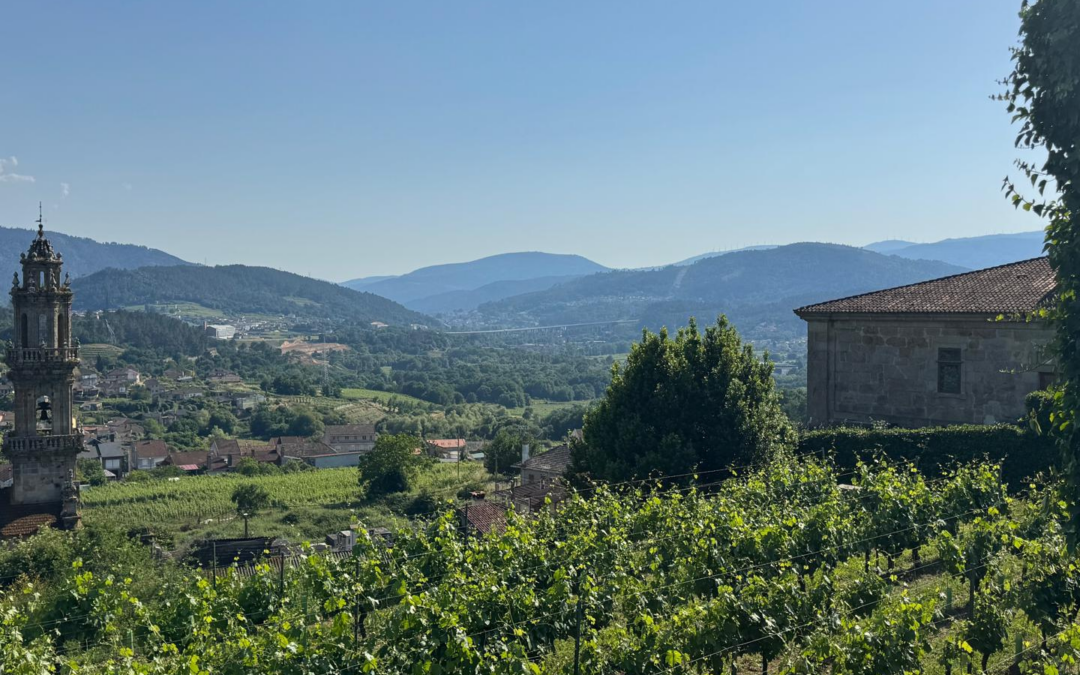
One point comes up in nearly every abstract: the scale at which evidence is produced decides what can be seen. Municipal averages and national indicators can hide differences between villages, between coast and inland, between groups of residents. In Ourense, Spain, the Lab looked at people aged 100 and over, a band Eurostat does not publish by province, and found their share in rural Ourense and Lugo close to double that of the more urban A Coruña. It reads this less as longevity than arithmetic: the very old are a growing share of shrinking populations. In Crete, the Rural Chania Lab mapped bus frequency, schools, healthcare and internet speed village by village, and found public transport following tourists more than residents.
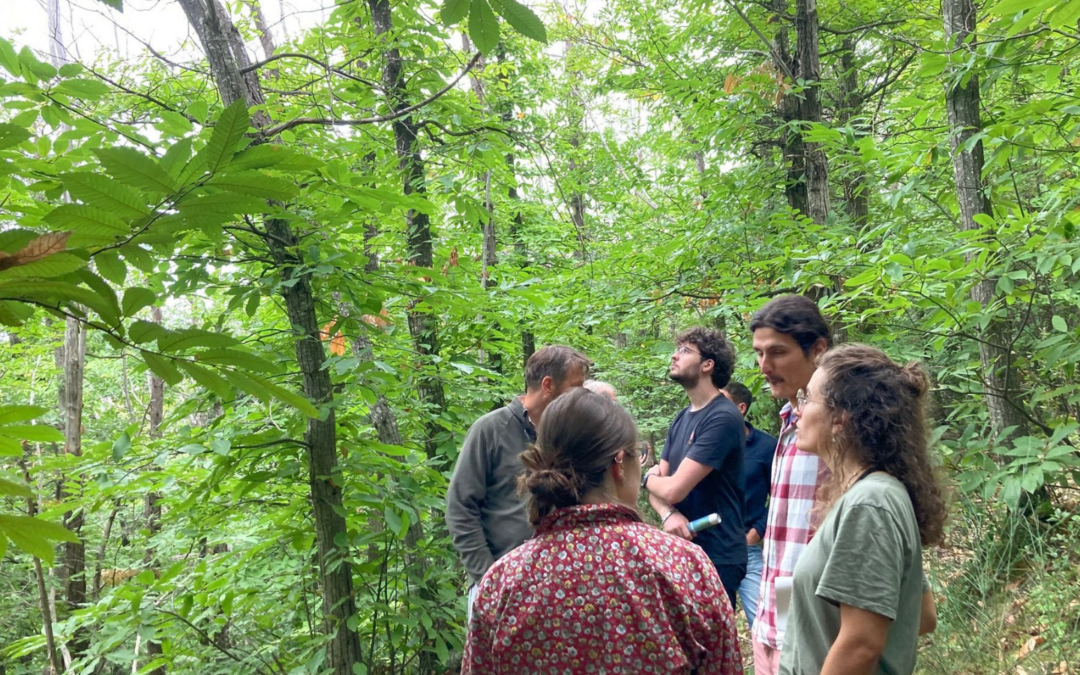
Much of this evidence was cheap to produce, though not free: free satellite imagery, open software, official statistics read below their usual level of aggregation, records public services already hold, surveys small enough for a municipality to run. In the French Pyrenees, the Pays Pyrénées Méditerranée Lab mapped chestnut decline in the Vallespir valley from Sentinel-2 images and the national forest inventory, training the model on fifteen field plots: 36% of the grove is in low decline, 37% moderate and 27% severe, at about 75% accuracy. What it still costs is time, basic analytical capacity and support for local people to interpret the results.
Data alone is not enough
Official sources identify patterns and allow comparison between territories, but it takes people who live there to explain what a pattern means, and to name what no dataset records. In Golija, Serbia, no statistics existed at the scale the Lab needed, so it combined what official data existed with a survey of 175 visitors and 21 tourism providers, then took the results to a workshop with local actors. Nature and local knowledge are the draw; weak waste and sewage services and heavy car use are the pressures on them. One Italian Lab found the official production statistics too outdated to use and reviewed them with producers.
From shared methods to local solutions
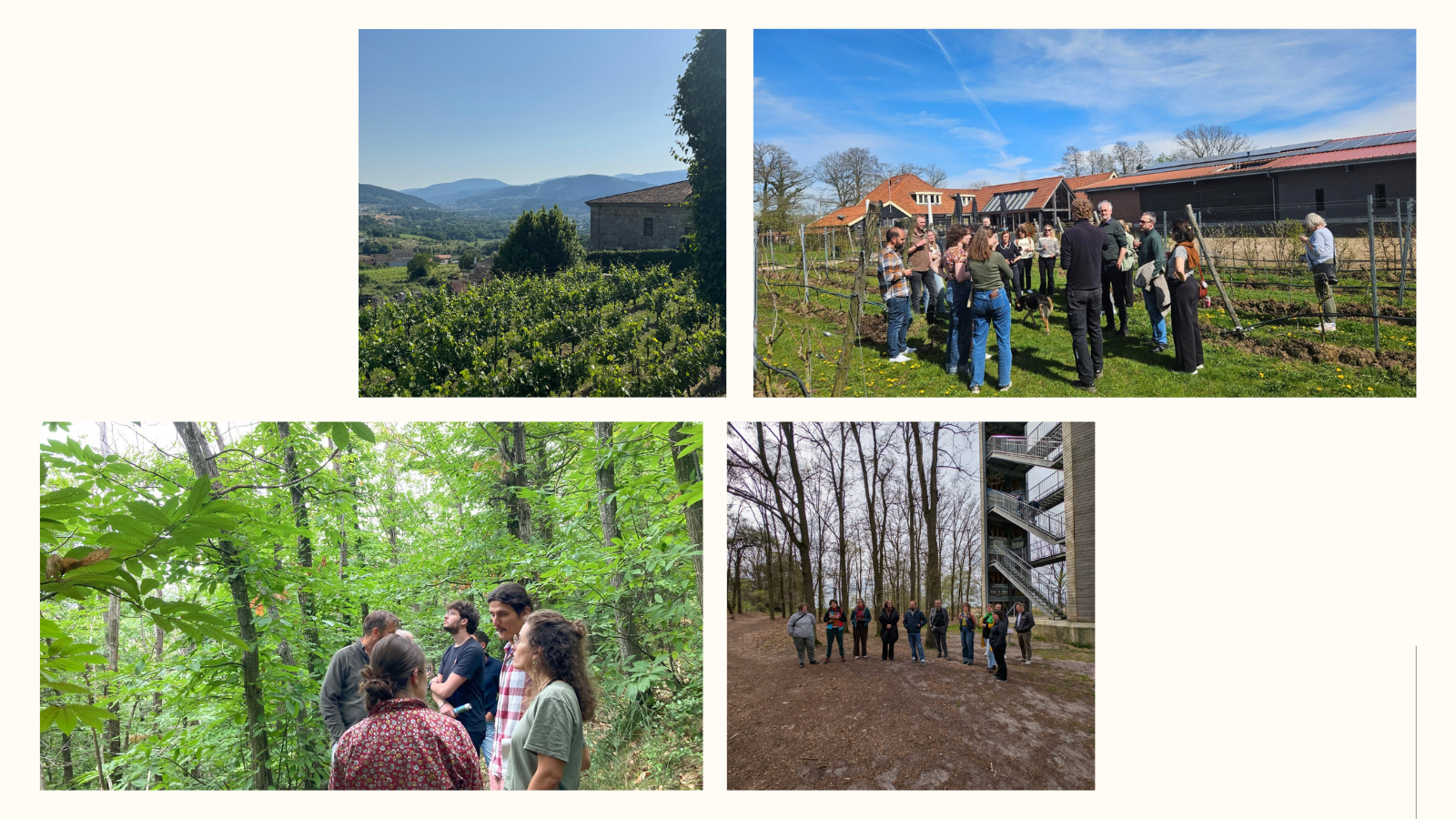
Methods did travel between Labs, but never unchanged. The Replication Labs, some in countries outside the EU statistical system, kept a method’s logic and swapped in whatever data, institutions and stakeholder process were locally available. One method, a local rural-proofing screen, has completed a full round: eight Labs in seven countries ran it on a policy of their own, from island policy in Finland to wolf compensation in Italy, surfacing indirect effects that standard checklists miss. A second round has every Lab testing the same EU policy, the Digital Decade Programme. Seven cross-visits, with 133 participants, let people see a practice in the conditions that produced it, which written reports convey badly.
Turning data into local action
None of it works, the abstracts conclude, without a local structure that takes ownership of the results: a forest charter, a LEADER group, a park administration, a municipality. Trust comes before data collection, not after, and smaller organisations need time, facilitation and resources if they are expected to take part. The sixteen are going into the EIP-AGRI database via the EU Common Agricultural Policy (CAP) Network platform; the Labs behind them can be found here: https://www.ruralgranular.eu/.