
Authors: Merveille Ntabuhashe and Maite Iglesias (AEIDL)
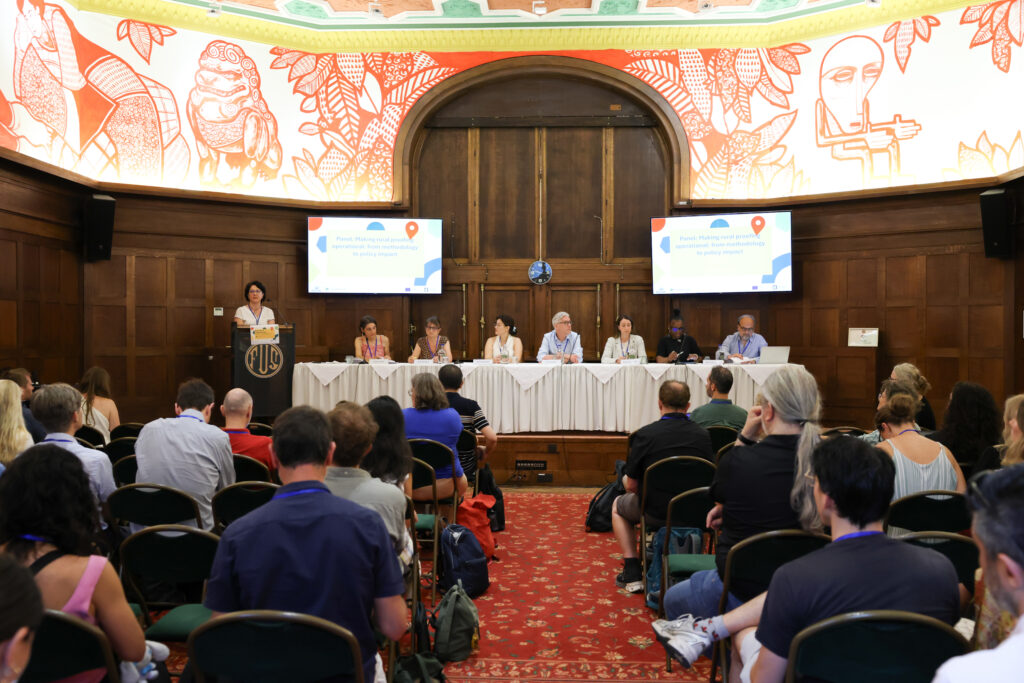
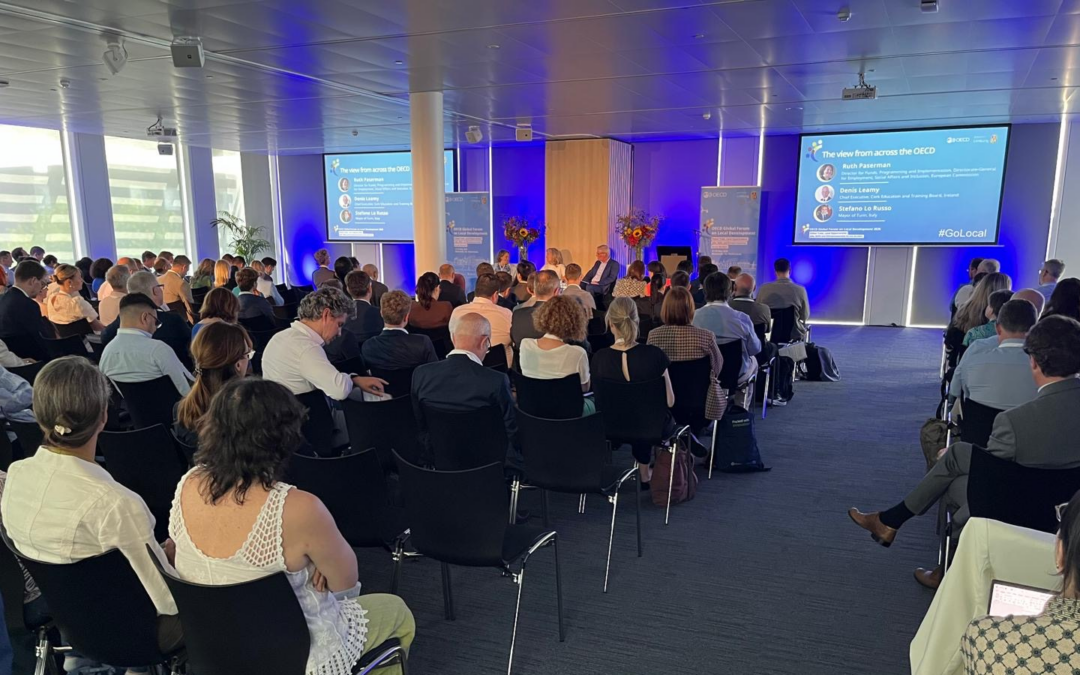
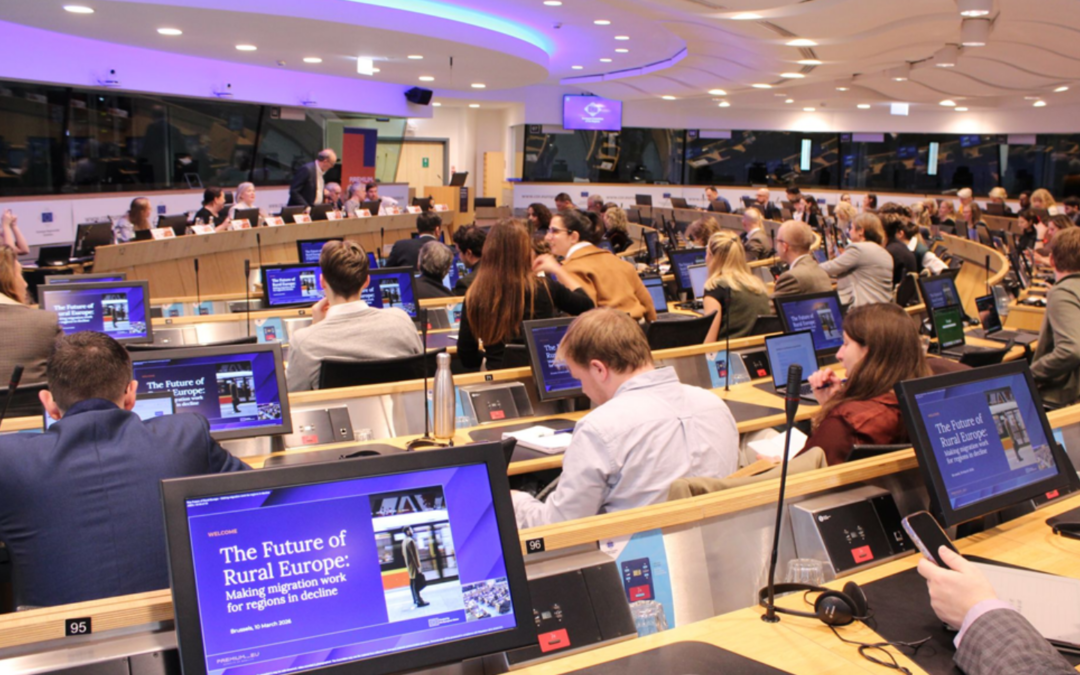
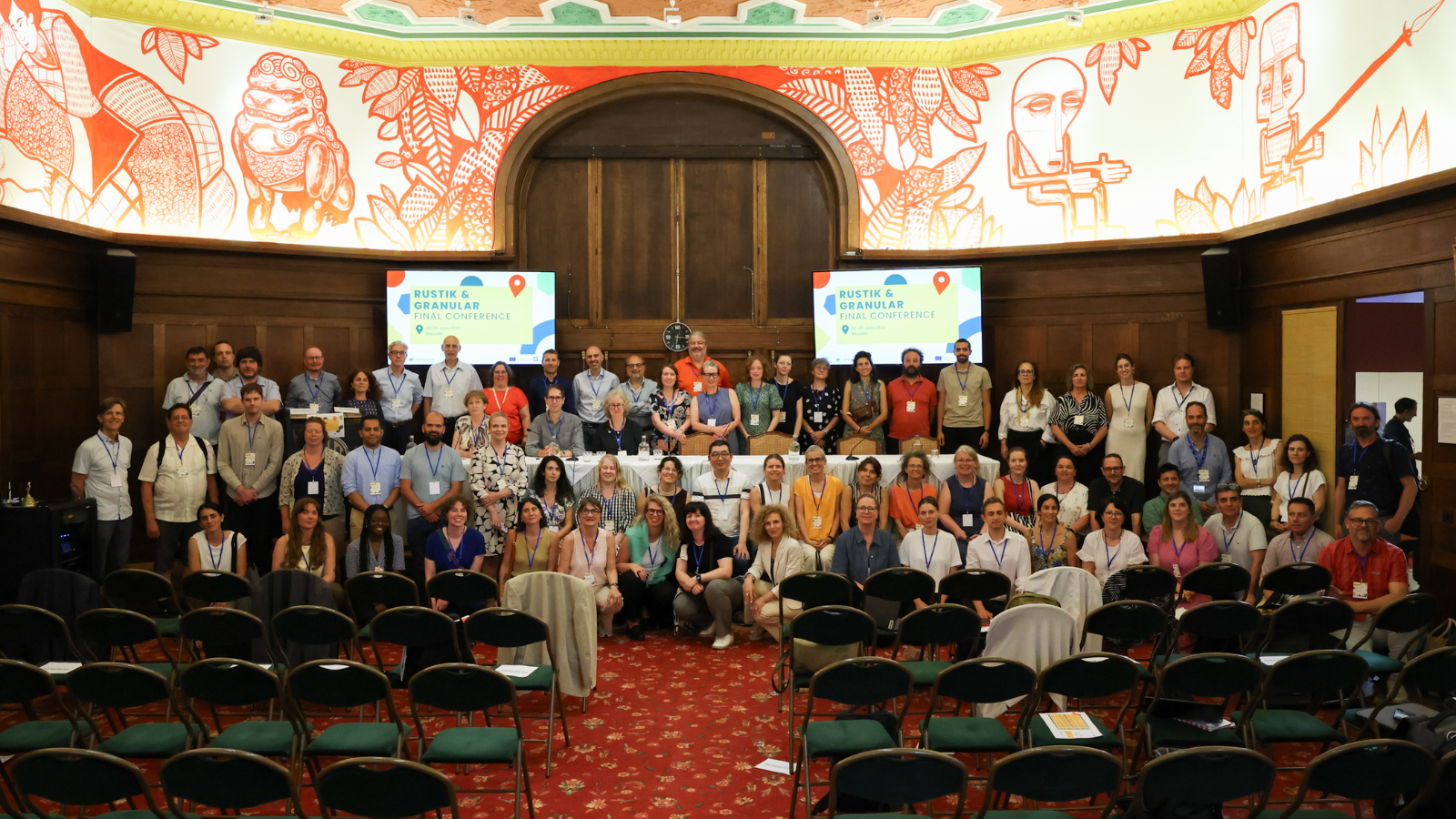
The GRANULAR & RUSTIK Joint Final Conference took place on 24 and 25 June 2026 at the Fondation Universitaire in Brussel. Organised by the European Association for Innovation in Local Development (AEIDL) and Euromontana, the event marked the culmination of four years of research and multi-actor collaboration through the GRANULAR and RUSTIK projects. Bringing together more than 100 participants, including EU policymakers, researchers, local development practitioners, Local Action Groups (LAGs) and NGOs, the conference explored how more granular data and functional territorial approaches can support fair digital, ecological and social transitions.
Day 1: Better evidence to understand rural complexity
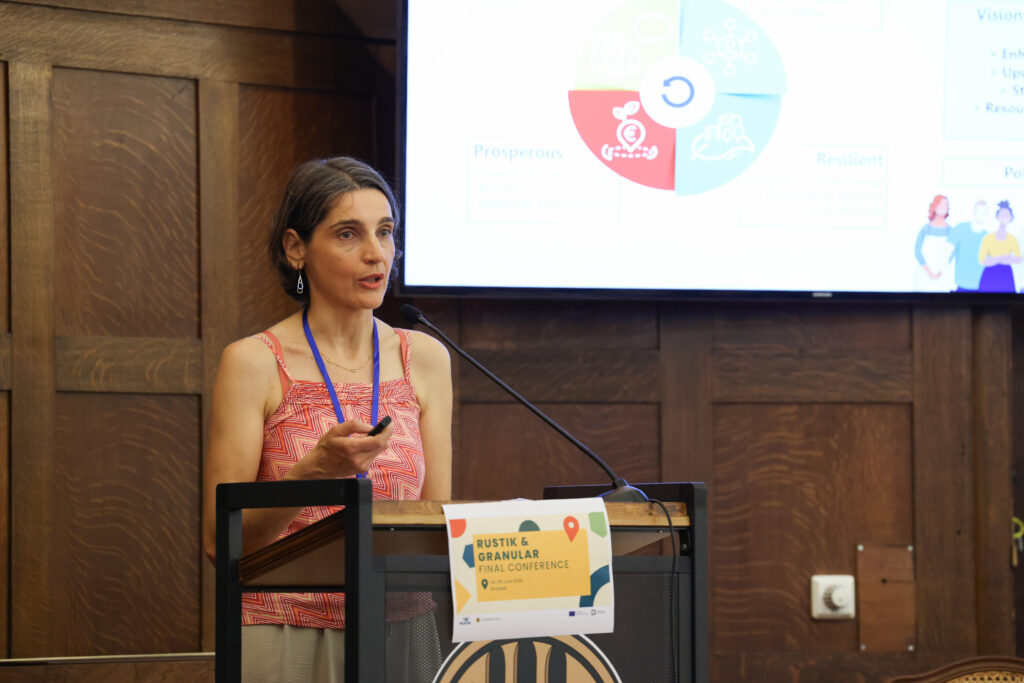
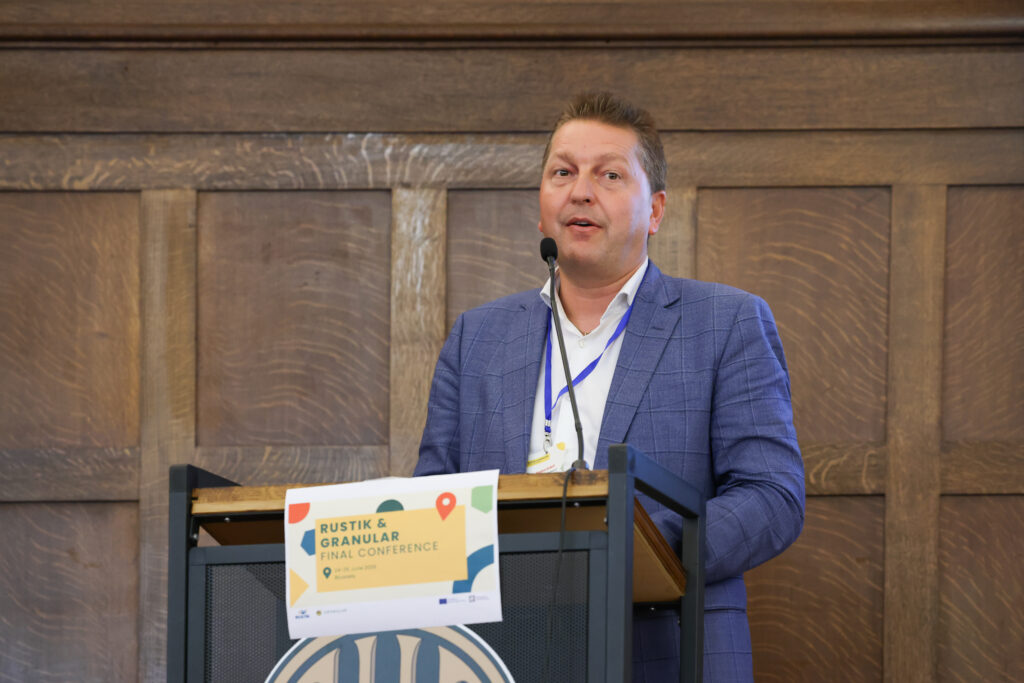
The first day, organised by AEIDL, opened with welcoming remarks from Serafín Pazos Vidal (AEIDL), who reflected on the strong collaboration between the two projects. Michelle Marshalian (Joint Research Centre) delivered the keynote on demystifying territorial complexity, introducing the concept of Functional Rural Areas (FRAs), which are defined by lived realities and everyday interactions rather than administrative boundaries. She stressed that access to public services, particularly schools, is essential to tackling depopulation and supporting people’s “right to stay”.
Project coordinators Tristan Berchoux (GRANULAR) and Simone Sterly (RUSTIK) then outlined the complementary ambitions of the two projects, arguing that rural policy must move beyond one-size-fits-all approaches to better reflect the diversity of Europe’s rural territories.
The remainder of the day focused on how innovative data, analytical frameworks and practical tools can strengthen the evidence base for rural policymaking, in line with the conference theme “Evidence, data & tools to measure rural territorial complexity.”
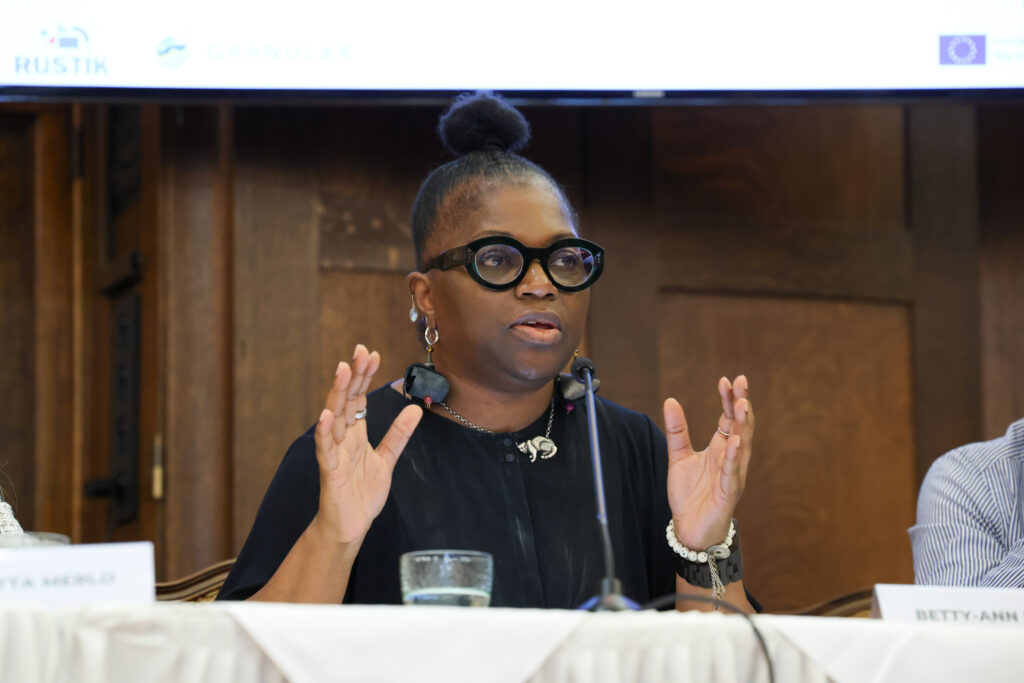
A roundtable on data and evidence, moderated by Alessandro Sorichetta (University of Milan), brought together Ian McCallum (IIASA), Michael Kull (Luke), Louise Chasset (Pays Pyrénées Méditerranée), Demelza Jones (Monmouthshire County Council) and Marc Bournisien de Valmont (OECD). The discussion examined how granular datasets and functional geographies can provide a more accurate understanding of rural realities than traditional urban-rural classifications. Speakers explored new data sources, including web scraping and mobility data, alongside qualitative evidence to better understand demographic change and youth outmigration. The panel agreed that the key challenge is not collecting more information, but developing the institutional capacity to interpret it and turn it into effective policies. As Marc Bournisien de Valmont (OECD) noted, “the value of projects like RUSTIK and GRANULAR is not simply that they provide more data, it’s that they make us understand more accurately reality, by helping us see diversity instead of averages.”
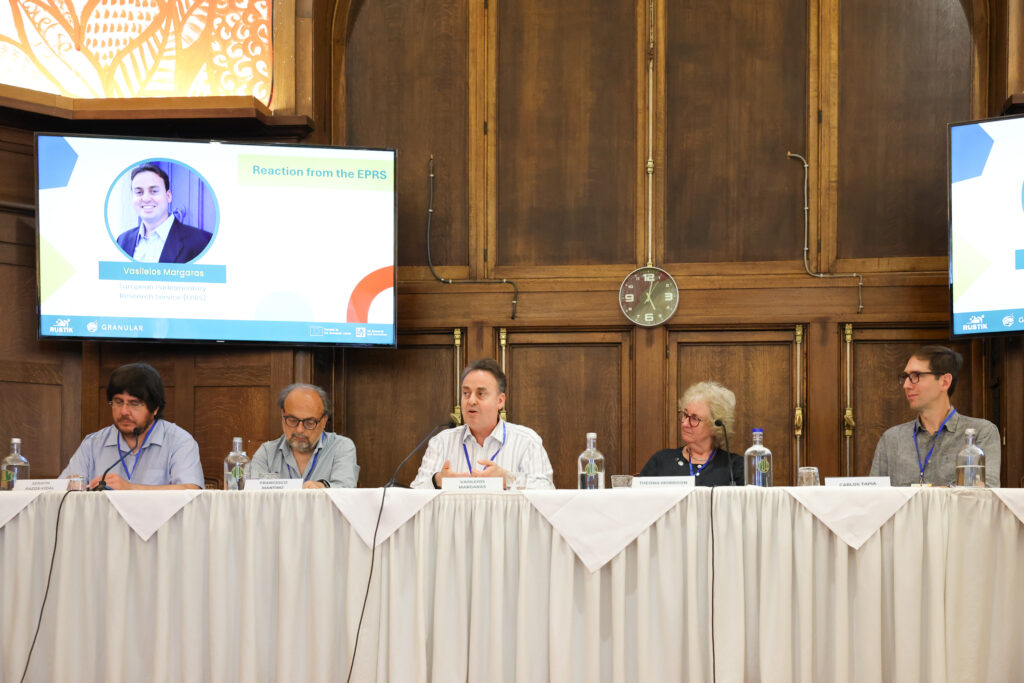
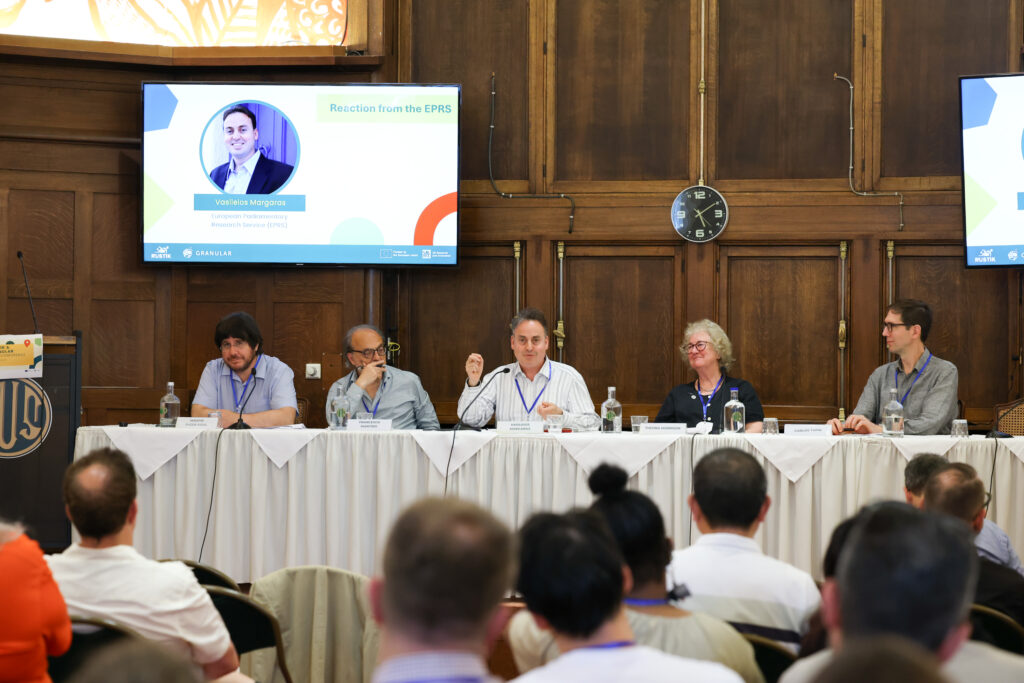
The following session explored new analytical approaches to understanding rural areas. Francesco Mantino (CREA) presented the Functional Rural Areas framework, highlighting “rural hubs” as centres connected through everyday mobility rather than administrative borders. Carlos Tapia (Nordregio) presented a multi-dimensional rural typology developed at a 1km² grid level to better capture the specific functionalities and diversity of rural areas that traditional classifications often overlook. This data-driven approach incorporates factors such as topography, land modification, population dynamics, and accessibility to provide a more granular and nuanced evidence base for planning and policy. Representing the Scottish Rural Action, Theona Morrison explained that the language used to describe territories is vital because words shape how governments act and how resources are shared. She advocated for advocated for a shift from viewing communities as “remote”, as it marginalises vibrant island cultures, stating: “Remote. That word sidelines our communities as if we exist on the edge of Scotland, looking in. We are not remote, we are rural. Our islands are alive with Gaelic, song, tradition and story. We are rooted in place and culture, not cut off from it.” She concluded, “Rural, not remote. That is who we are.” Vasileios Margaras (EPRS) highlighted that this granular research is vital for the European Parliament’s “big bargain” over the future EU budget and resources, helping to translate complex territorial realities into impartial advice for policymakers.
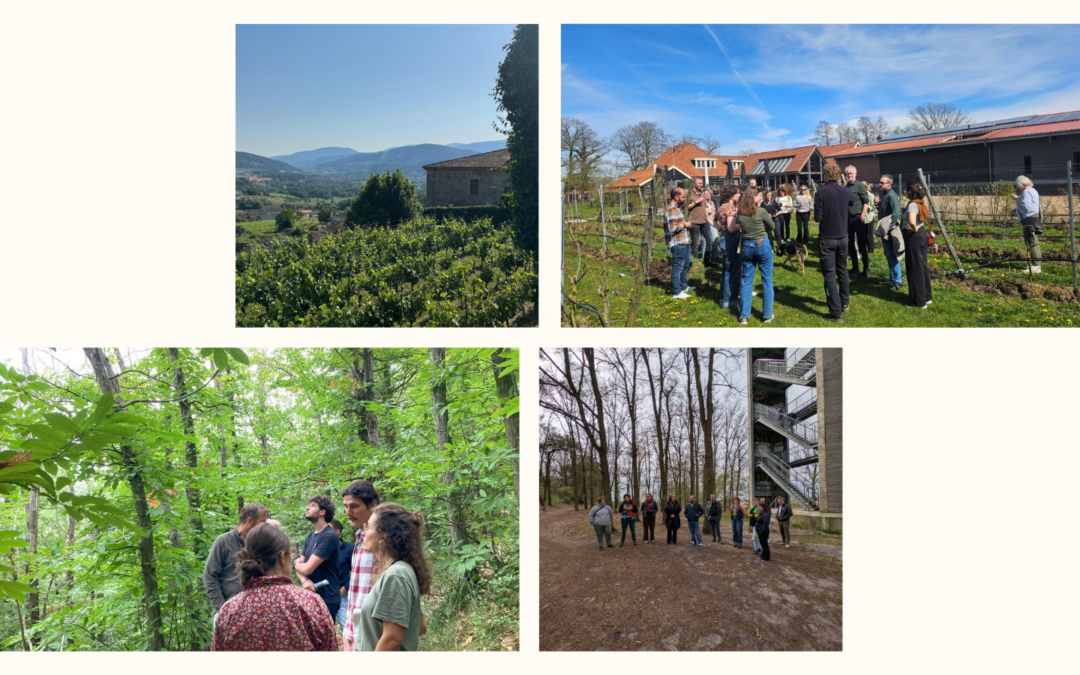
The final session or the day showcased practical tools for analysing well-being and local dynamics. Gundi Knies (Thünen Institute) presented work on the “rural happiness paradox”, Kimberly Wevers (P10) shared lessons from the Dutch GRANULAR Living Lab on the importance of tailored local solutions, and Petya Slavova (Sofia University) introduced a GIS platform linking local food production with tourism demand in Bulgaria. Closing the session, Carole Esclapez (DG AGRI, European Commission) emphasised the value of the projects’ multi-actor approach while stressing that sustaining and replicating Living Lab results will be the next major challenge.
Day 2: From evidence to action
The second day, organised by Euromontana, shifted the discussion from research to implementation under the theme “From evidence to action: delivering place-based policies and rural proofing in the EU.”
Opening the day, Alexia Rouby (DG AGRI) linked the projects’ findings to the EU Long-Term Vision for Rural Areas and preparations for the post-2027 Multiannual Financial Framework. She outlined plans for National and Regional Partnership Plans (NRPPs), intended to streamline support for rural areas while ensuring dedicated investment. Throughout the discussions, participants stressed that digital and ecological transitions must improve rural well-being rather than deepen existing territorial inequalities.
A key conclusion from the panel on rural proofing was that it should become an ongoing dialogue rather than a simple compliance exercise. GRANULAR presented a place-sensitive methodology that assesses policies through locally defined dimensions of rurality, while RUSTIK introduced Decentralised Rural Proofing (DRP), bringing the assessment process closer to the communities most affected by policy decisions. Participants agreed that rural proofing should be binding, cross-sectoral and flexible enough to reflect diverse territorial contexts.
Speakers also emphasised that local knowledge complements quantitative evidence by revealing realities often overlooked in national datasets. Experiences from the Multi-Actor Labs demonstrated that research only shapes policy when supported by institutional readiness, trusted intermediaries (such as Local Action Groups and regional councils) and clear pathways into decision-making. Scaling these approaches will require monitoring systems co-designed by researchers, policymakers and local stakeholders. The final sessions highlighted the importance of community-led development, arguing that rural areas should be recognised for their diversity, innovation and local capacities. Participants called for stronger local administrations and renewed support for the “right to stay”.
In his closing remarks, Radim Sršeň, Member of European Committee of the Regions described rural areas as places of opportunity rather than preservation, reminding participants that “Europe starts in rural areas” and that meaningful progress depends on continued cooperation between European institutions, researchers and rural communities.
GRANULAR’s legacy
Following the joint Final Conference, GRANULAR partners remained in Brussels for two half-days of consortium meetings to reflect on the project’s achievements as it approaches its conclusion. Alongside discussions on the final results and next steps, partners explored how GRANULAR’s results can continue to generate impact beyond the project’s lifetime.