
Author: Aleksandra Pawlowska (European Rural Development Network – ERDN)
A GRANULAR perspective on the PREMIUM_EU final conference at the European Committee of the Regions.
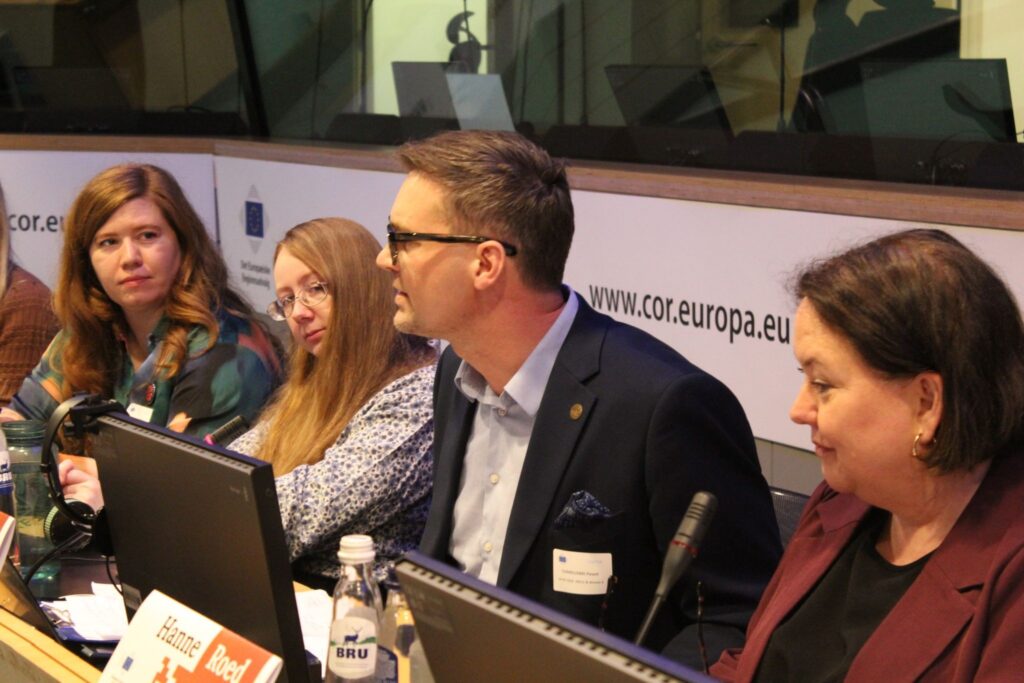
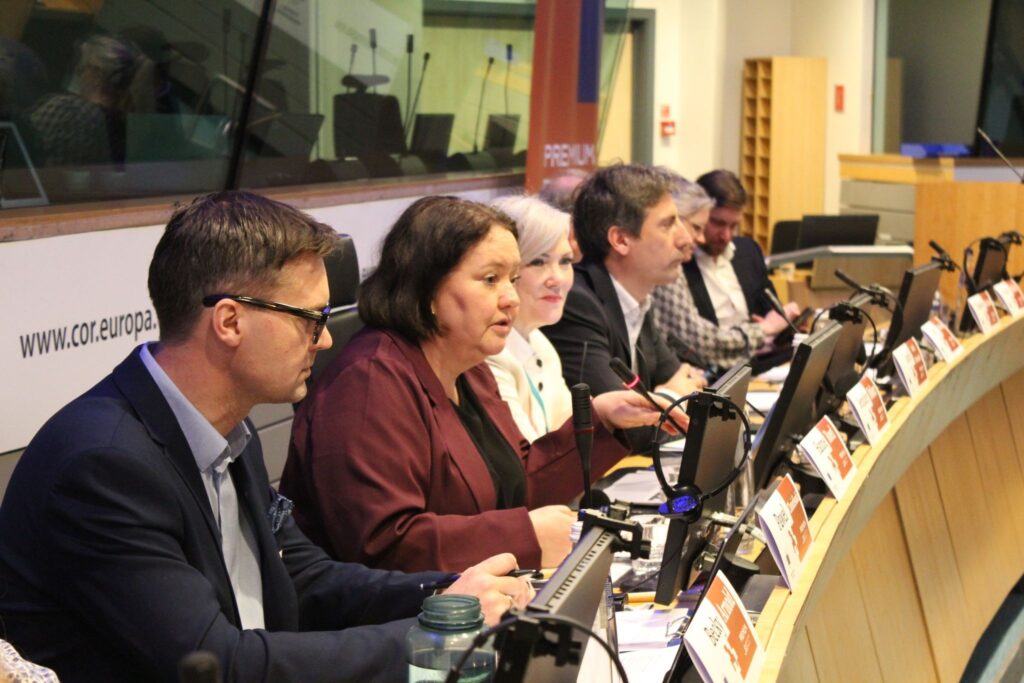
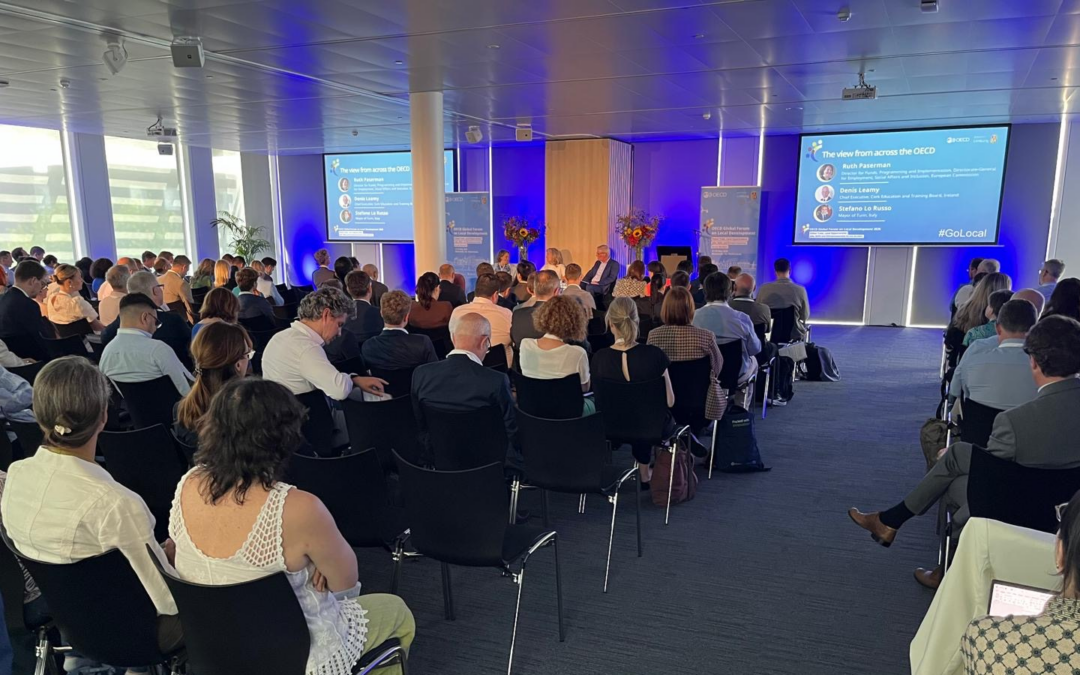
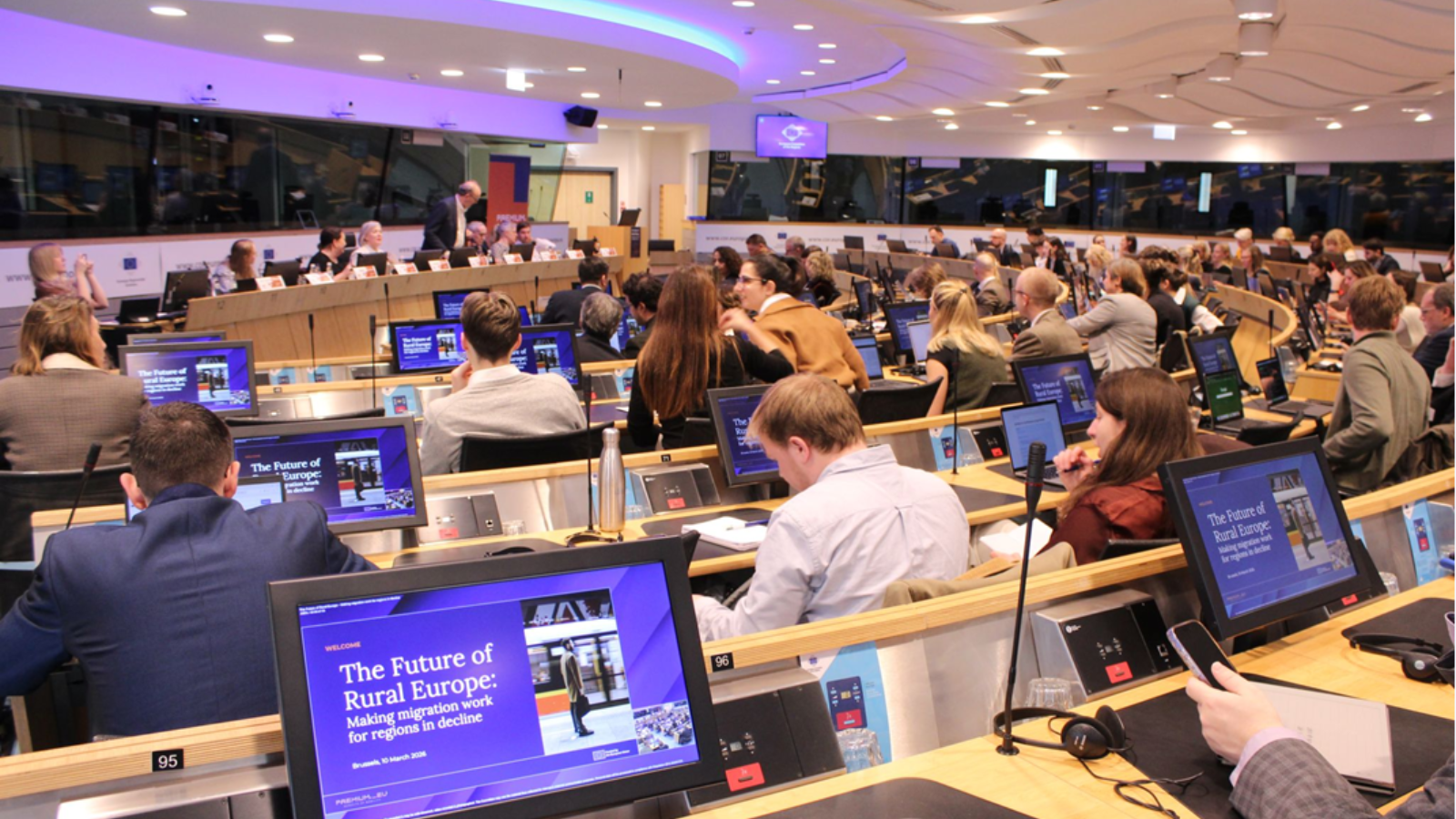
On 10 March 2026, the European Committee of the Regions in Brussels hosted the final conference of the PREMIUM_EU European project, “The Future of Rural Europe: Making migration work for regions in decline.”
Among policymakers, researchers and practitioners from more than 40 countries was Paweł Chmieliński, President of the European Rural Development Network (ERDN) and a partner in GRANULAR. He joined the opening policy panel to bring a Central and Eastern European perspective on one of rural Europe’s most pressing questions: what actually makes people stay, return or leave?
Migration as a structural force
With around 30% of EU regions facing labour shortages and demographic decline, the conference gathered 120 participants in Brussels and more than 400 online. The programme reflected a clear shift in perspective: migration is no longer a secondary issue, but a structural force shaping regional development, labour markets and long-term resilience. The event also marked the launch of the Resilient Regions Policy Dashboard, a tool designed to help regions assess their development profile, compare themselves with peers and identify tailored policy responses.
The ERDN message: intangibles matter
In the opening panel, moderated by journalist Jennifer Baker, alongside Hanne Roed, Jordi Solé i Ferrando and Leo van Wissen, Chmieliński highlighted a persistent blind spot in rural policy design.
While data availability has increased, the intangible factors that shape people’s decisions, such as belonging, wellbeing and local culture remain largely absent from policy frameworks.
These aspects are difficult to measure but ignoring them leads to incomplete strategies. Housing, schools and jobs are essential, but without attention to identity, community ties and everyday life, even well-funded policies risk falling short.
A direct link to GRANULAR
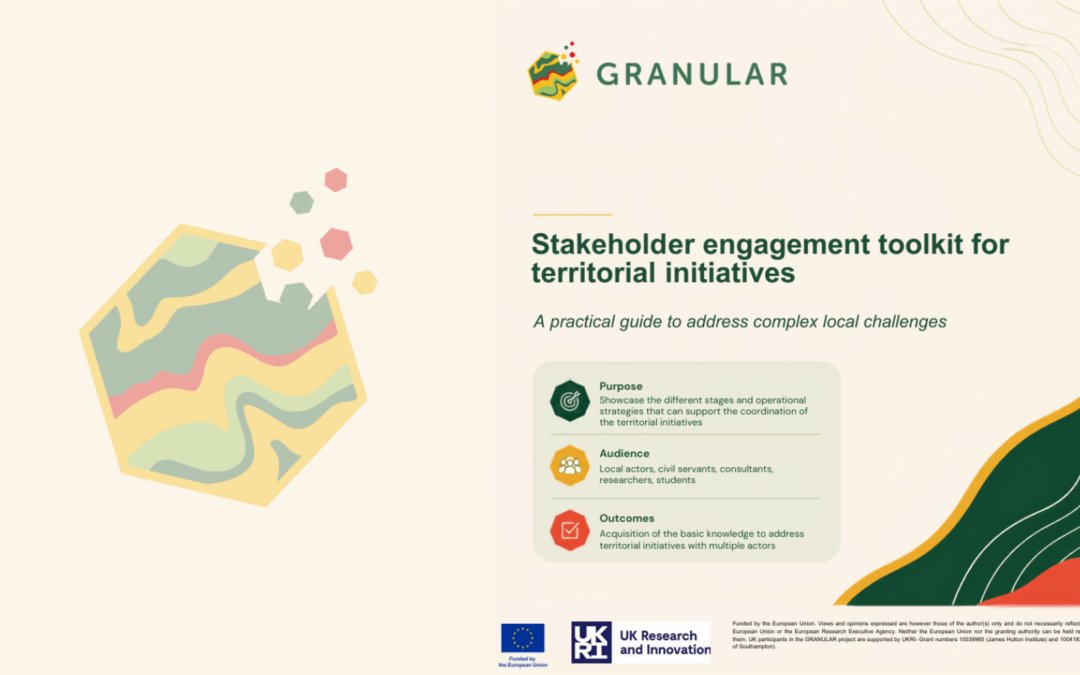
This message aligns closely with GRANULAR’s core ambition: moving beyond one-dimensional definitions of rurality and capturing the diversity of rural functions, values and lived experiences.
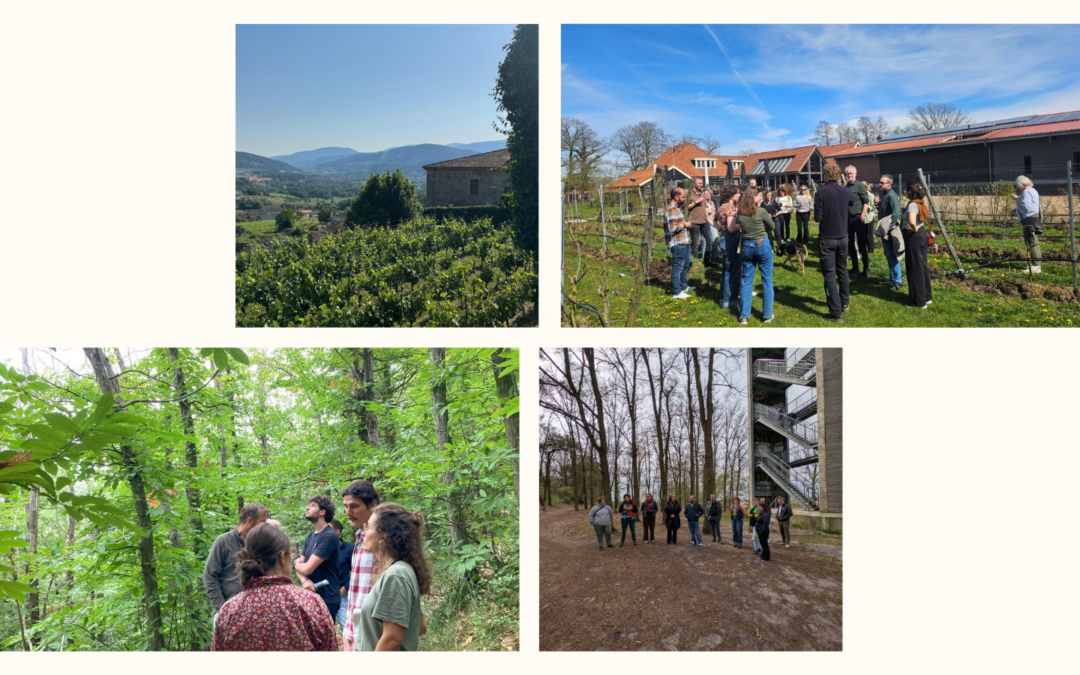
Through its multi-dimensional Rural Diversity Compass, its network of Living and Replication Labs, and its work on place-based indicators, GRANULAR is developing tools to translate these intangible dimensions into policy-relevant insights.
The conclusion from Brussels, that no single policy works everywhere and that place-based strategies are essential, has been central to GRANULAR from the outset. Rural resilience is not a quick fix, but the result of combining data, territorial knowledge and a realistic understanding of what people value in the places they live.
From evidence to responsibility
The panel closed on a pragmatic note. Migration is not something regions can fully control, but something they must actively work with.
Speakers agreed that quality of life, housing, services, family ties and cultural identity, is Europe’s strongest comparative advantage in rural areas. As Roed put it: “We’ve given up on attracting new people. Now we focus on bringing people back.”
For ERDN and GRANULAR, the conference confirmed both the scale of the challenge and the direction ahead. The evidence exists, and tools such as the Resilient Regions Policy Dashboard (alongside GRANULAR’s own instruments), are now available.
The real test is whether regions, national governments and the EU will use them to design policies that recognise what data alone cannot capture: the everyday reasons why people choose to call a place home.
More information:
- Full conference recording: https://www.youtube.com/watch?v=3HAtWsjFueA
- PREMIUM_EU video playlist: https://youtube.com/playlist?list=PLXJHr8Sdi2wC4v3pPvRriVeTZzX2nn2Sr
- Resilient Regions Policy Dashboard: https://nordregio.github.io/premium_eu/