
Author: Serafin Pazos-Vidal (AEIDL)
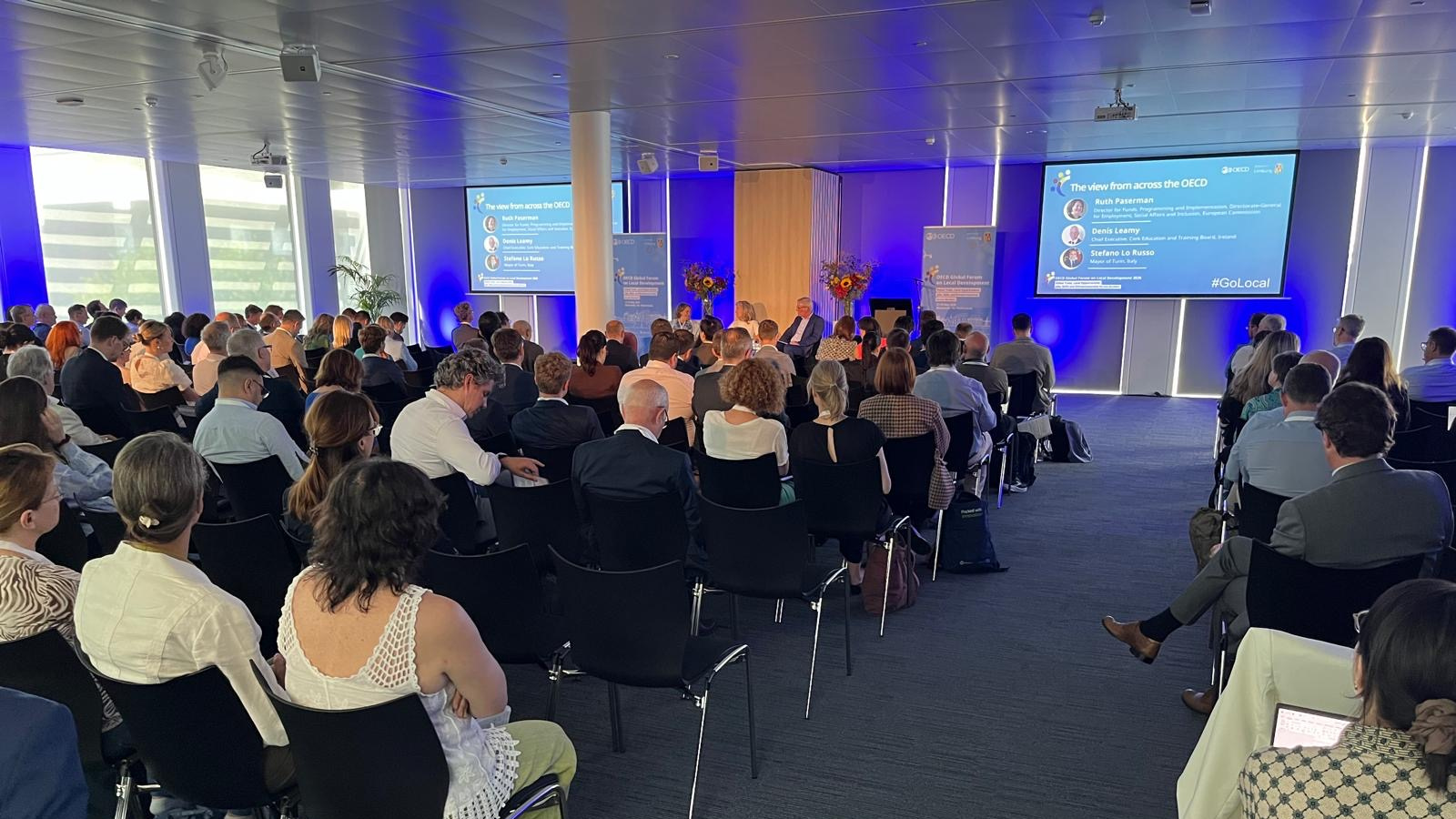
The OECD Global Forum on Local Development 2026 one of the most important gathering of experts in this field opened in Maastricht with a setting that was both symbolic and highly relevant to the discussions that followed. Located at the intersection of the Netherlands, Belgium and Germany, the cross-border region provided a living example of the growing interdependence between territories and the importance of cooperation in addressing shared economic and societal challenges. This territorial context framed a first day centred on how regions position themselves in an increasingly uncertain and rapidly evolving global landscape.
A central theme throughout the day was the role of strategic foresight in strengthening regional autonomy and preparedness. Discussions highlighted how shifts in global trade patterns are already reshaping local economies, requiring regions to anticipate rather than simply react to change. Contributions from Emilia-Romagna underlined the need to embed foresight more systematically within Smart Specialisation Strategies, ensuring that innovation policy remains forward-looking and adaptive. Andalucía drew attention to the role of mid-cap companies, often overlooked despite their significant contribution to regional economic structures, while Helsinki illustrated the long-term value of institutionalising foresight, having integrated it into regional governance since the mid-1990s. Taken together, these experiences pointed to a broader transition in which foresight is becoming a core function of regional governance rather than a complementary exercise.
At the same time, the policy perspectives discussed at the meeting suggested a more ambivalent shift in the way regions understand their role. The strong emphasis on resilience and autonomy reflects a context of heightened uncertainty, but it may also signal a perceived erosion of regional agency. Instead of primarily shaping development pathways through strategic frameworks such as Smart Specialisation or mission-oriented approaches, regions are increasingly required to adapt to external pressures. This does not necessarily diminish their role, but it does redefine it, placing greater emphasis on flexibility, responsiveness and the capacity to act quickly in collaboration with partners both within and beyond regional boundaries.
This evolving landscape was also reflected in a broader change of mindset around economic development. The intervention from the Chemelot ecosystem emphasised the importance of moving away from adversarial or purely competitive logics towards more cooperative and constructive approaches. In this perspective, regional development is not driven by zero-sum dynamics but by the capacity to align actors, build shared direction and avoid fragmented or inconsistent responses. Such reflections resonate with longstanding debates on creative destruction, while suggesting that current challenges require more deliberate and collective forms of transformation.
The discussions on industrial policy further reinforced the importance of territory. Rather than considering industrial policy as something that is applied to regions, participants highlighted the need to embed place more fundamentally within policy design. This implies recognising the specific assets, capabilities and ecosystems of each region and ensuring that policy frameworks are sufficiently flexible to reflect these differences. In this sense, effective industrial policy cannot be detached from the territorial contexts in which it operates.
The session on “Forging new identities amid disruption” explored how places can redefine and project their identity in times of economic and social uncertainty, balancing global visibility with local authenticity. Contributions highlighted that place branding is no longer about marketing alone, but about shaping a shared narrative rooted in real economic, social and cultural assets. Speakers such as John Tomaney and Jacquie Severs emphasised the importance of aligning identity-building with long-term development strategies, while experiences from Heerlen and Durham illustrated how regions undergoing transition can reposition themselves as credible and attractive partners. Interventions also pointed to the need to include often underrepresented voices, as stressed by Aziz Senni, and to link identity with wider European initiatives such as the New European Bauhaus, as noted by Eva McAlister López. Overall, the discussion underlined that effective territorial branding must resonate with local communities while simultaneously enabling regions to navigate disruption and reposition themselves within global networks.
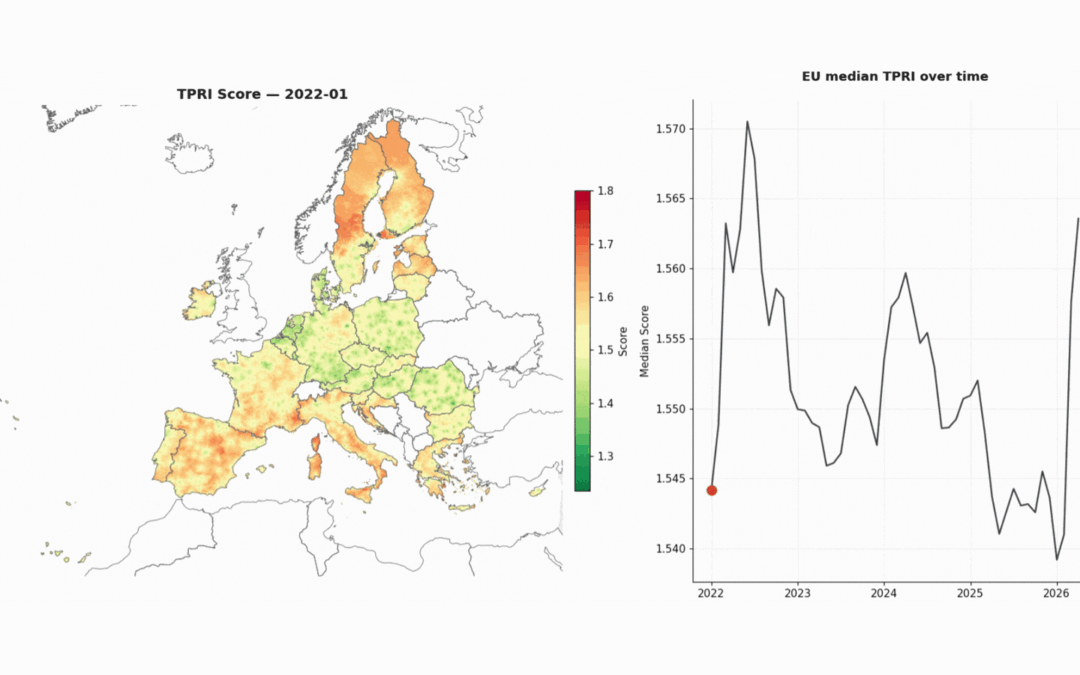
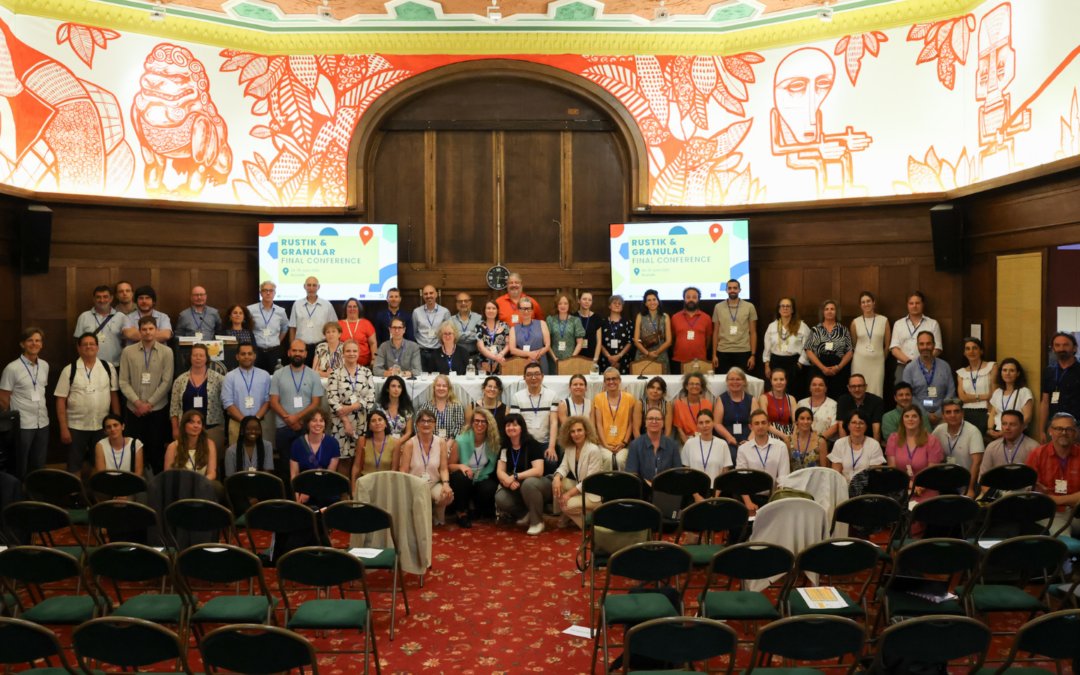
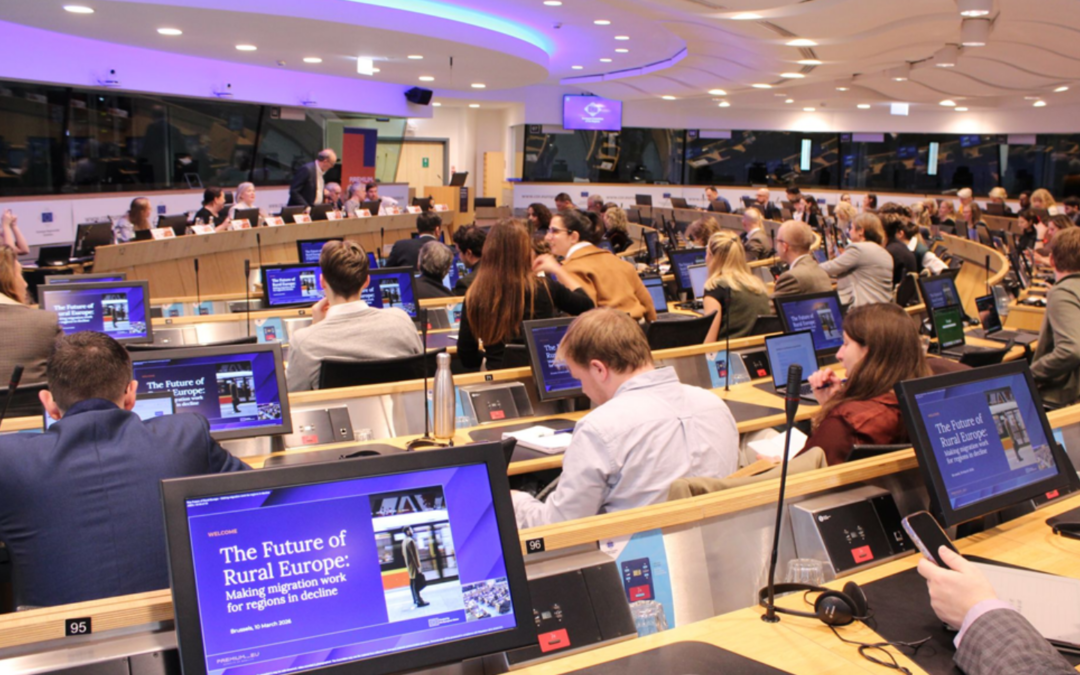
These reflections are closely aligned with the objectives of the GRANULAR and RUSTIK projects, which seek to strengthen the analytical foundations of place-based policymaking. By improving the availability and use of granular territorial data, and by deepening the understanding of local and rural dynamics, these initiatives aim to support regions in navigating complexity and uncertainty more effectively. Just as in Maastricht the RUSTIK-GRANULAR joint Final Conference in 24-25 June Brussels will dwell on the foresight, territorial intelligence and multi-level collaboration and the growing convergence between policy debates and research-driven approaches.