
Authors: Fabiana Stortini and Brigida Marovelli (University of Pisa), Ilaria Lusini (GreenGea snc for Rural and Organic District of Val di Cecina Living Lab), and Breixo Martins Rodal (University of Vigo & member of the RIO Living Lab)
What is it?
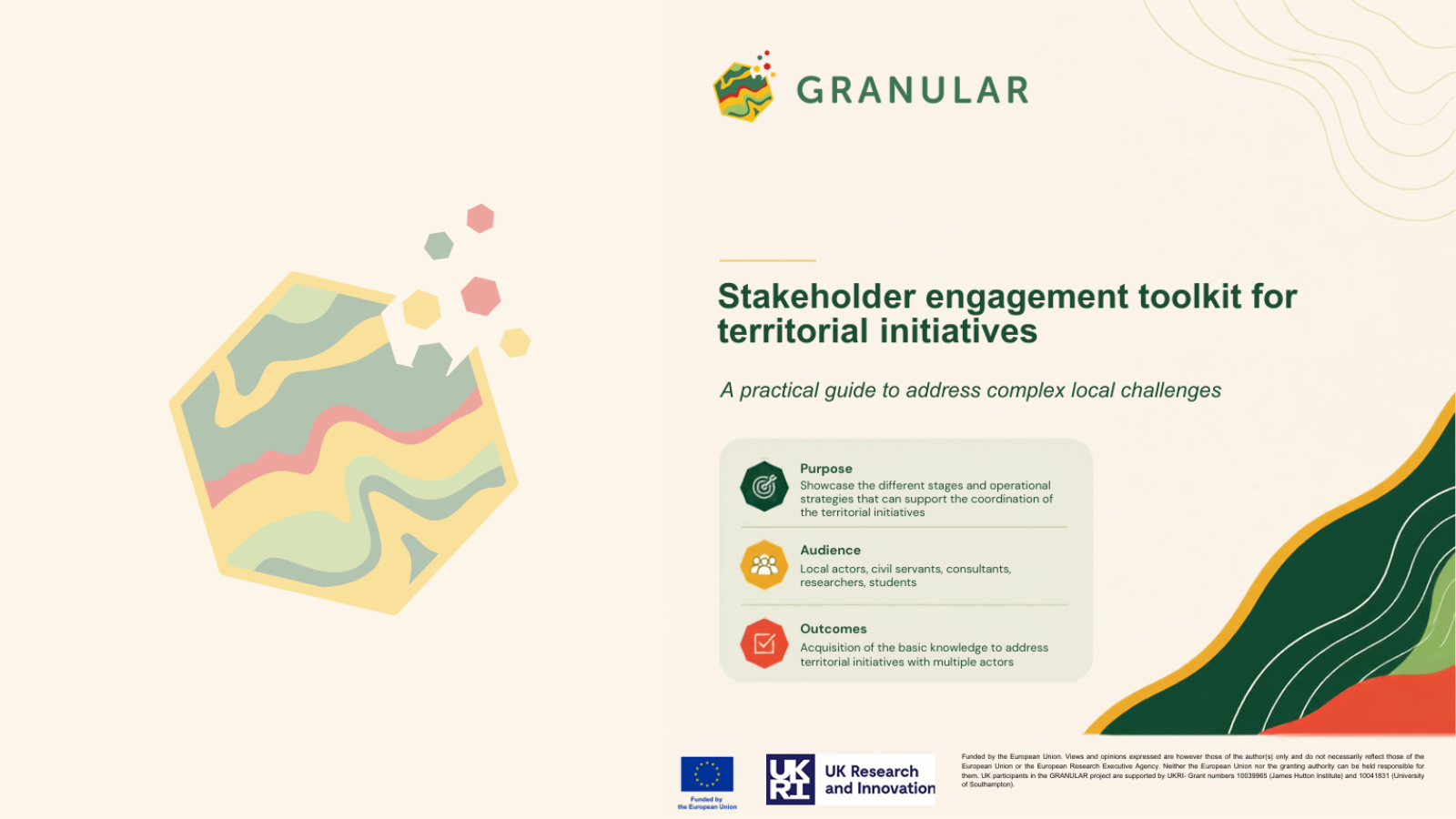
The GRANULAR Stakeholder Engagement Toolkit is an online, practice-oriented resource designed to support territorial actors throughout the stakeholder engagement process. It represents a result of the strict collaboration between researchers and rural actors. Moreover, the Toolkit aims to support not only stakeholder participation itself, but the broader coordination of territorial initiatives and the integration and exchange of knowledge among rural actors.
Why a practical guide to address complex local challenges?
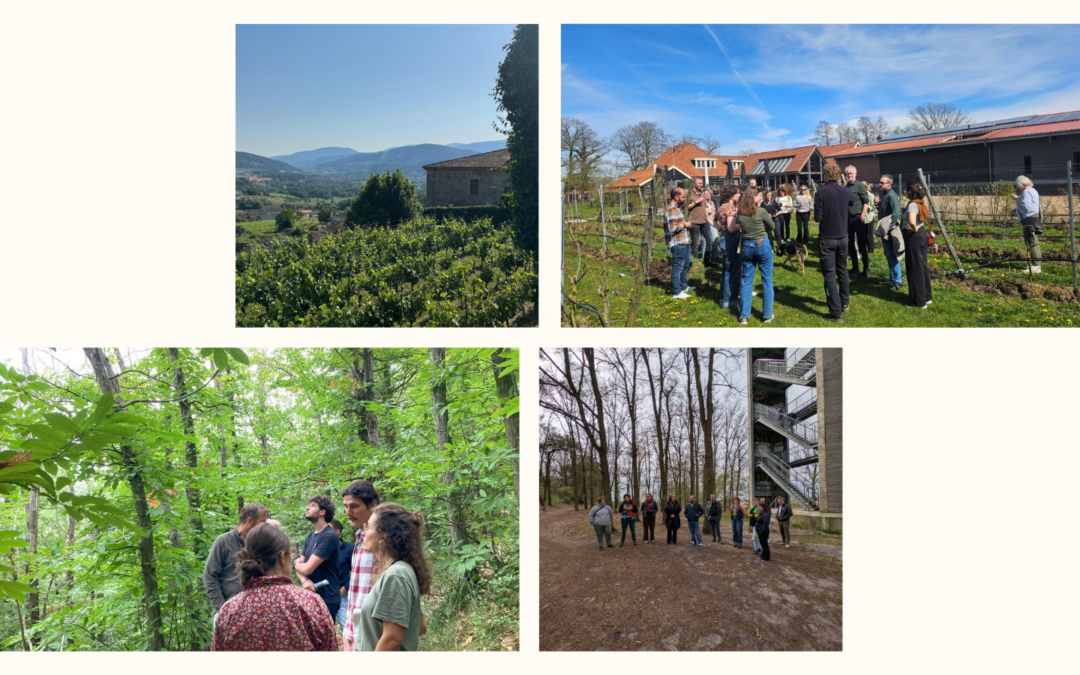
The toolkit takes a step forward from the experience and practical knowledge developed throughout the GRANULAR project, particularly through the Multi-Actor Labs and their initiatives. Rather than presenting a specific project methodology, the toolkit provides, especially for the beginners, a set of principles and practical guidance that can be used flexibly in different territorial contexts and alongside other materials and resources.
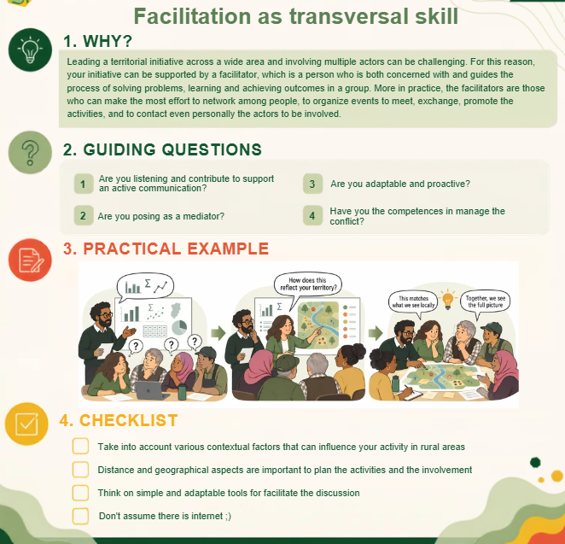
It is organised around principles emerging from the territorial experiences, including context-based, pluralistic and interactive approach. Its contents address key aspects of stakeholder engagement, such as understanding the territory, managing the process, the skills and knowledge required to work effectively with actors avoiding technicalities.
Where its distinctive characteristics include:
- a step-by-step approach for actors leading territorial engagement processes;
- practical examples derived from rural contexts;
- attention to creating and maintaining a collaborative environment rather than only identifying or categorising stakeholders;
- guidance on issues such as expectations, trust, stakeholder fatigue and the integration of different perspectives;
- applicability to a range of territorial initiatives rather than to one specific project methodology;
- the possibility of adaptation and reuse under the planned CC BY-NC licence.
Who are the adopters?
The main adopters of the Stakeholder Engagement Toolkit can be the organisations that support rural actors, disseminate good practices and facilitate cooperation and capacity building in rural development. While the principal end users will be:
- civil servants, particularly those involved in territorial planning;
- consultants working on territorial management and rural innovation ecosystems;
- local actors, including actors involved in Local Action Groups and rural networks;
- NGOs and other organisations coordinating territorial initiatives;
- researchers working at the interface between science and society;
- students and future rural-development practitioners.
Where can you find it?
Stakeholder engagement toolkit!
What are you waiting for?
Try it and write us your feedback!