
Author: Lena Friborg (Region Västerbotten)
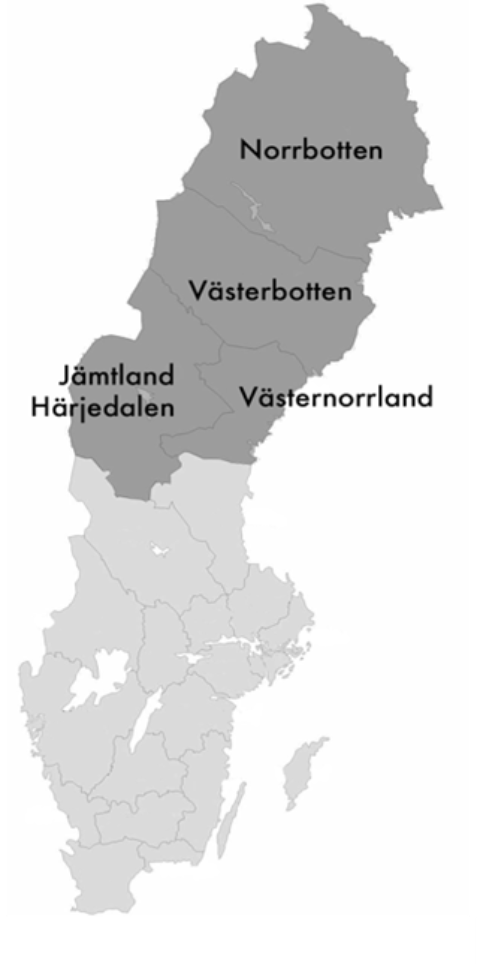
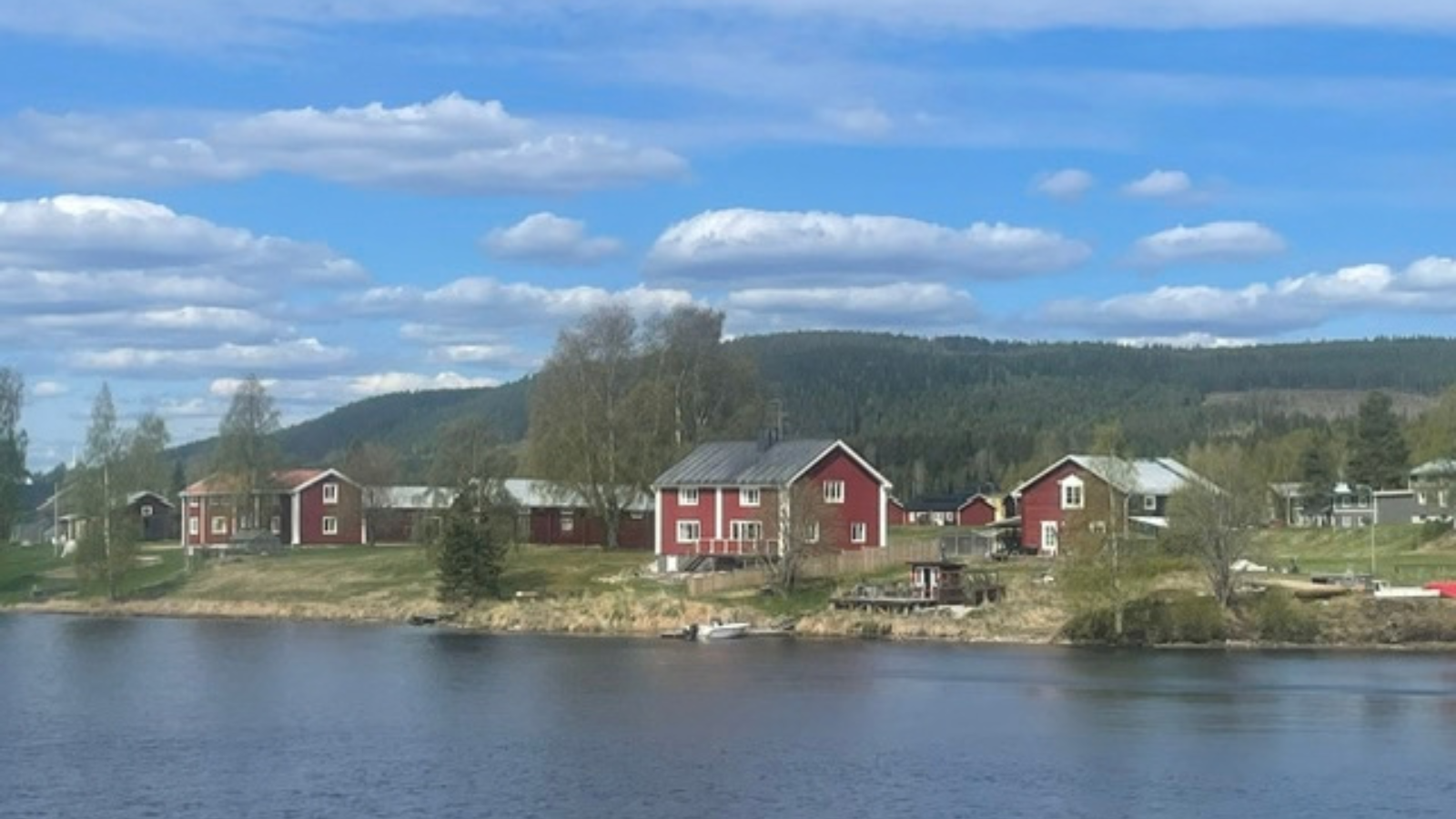
Northern Sweden has become one of Europe’s key regions for the green transition. Major investments in fossil-free industry, renewable energy and new technologies have placed the region in the international spotlight. Several factors explain this development. Northern Sweden has abundant natural resources, large amounts of renewable electricity, available land and a long industrial tradition. Together, these assets create favourable conditions for investments that support Europe’s transition towards a climate-neutral economy.
But how is this transformation viewed by people working with regional and rural development?
Listening to regional actors
Within the GRANULAR project, and specifically the Northen Sweden Living Lab, a series of interviews with regional stakeholders across northern Sweden were conducted, including representatives from municipalities and regional development organisations.
The interviews showed broad support for the green transition and the opportunities it may bring. Many respondents highlighted the potential for new businesses, stronger labour markets and long-term development. At the same time, they also emphasised that the transition is taking place in a period of uncertainty.
As one interviewee expressed it:
“The feeling right now is: what will happen to the green transition?”
Recent developments have raised questions about the pace and direction of green investments, but respondents generally agreed that the need for sustainable transformation remains.
More than energy production
A recurring theme in the interviews was the importance of creating more local value from the region’s resources.
Northern Sweden already produces large amounts of renewable energy through hydropower and wind power. However, several stakeholders argued that more of the processing and value creation should also take place locally.
As one participant explained:
“We produce enormous amounts of energy. What we would like to see is that more of the value-adding activities also take place where the energy is produced.”
Respondents mentioned opportunities linked to advanced manufacturing, bio-based products and other activities that could generate jobs and strengthen local economies.
Making the transition work in practice
Many interviewees also highlighted practical challenges, particularly in rural areas where distances are long and businesses often operate with limited margins. New technology, vehicles and infrastructure can require significant investments, and several actors stressed the importance of ensuring that smaller businesses are not left behind.
The interviews revealed a strong willingness to contribute to the green transition, but also a need for solutions that work under real-world conditions and create benefits for local communities.
Looking ahead
The interviews show that regional actors see the green transition as a major opportunity for northern Sweden. At the same time, they emphasise the importance of local value creation, realistic implementation and long-term community benefits.
Their perspectives provide an important reminder that the green transition is not only about technology and investments. It is also about people, places and ensuring that rural regions can actively shape their own future.