
Author: Adamantia Kokkinaki (MAICh)
What happens when the EU’s digital ambitions meet the realities of rural life? In rural Chania, the answer is clear: digital transformation can open exciting new opportunities—but only if it is designed with rural communities, not simply for them.
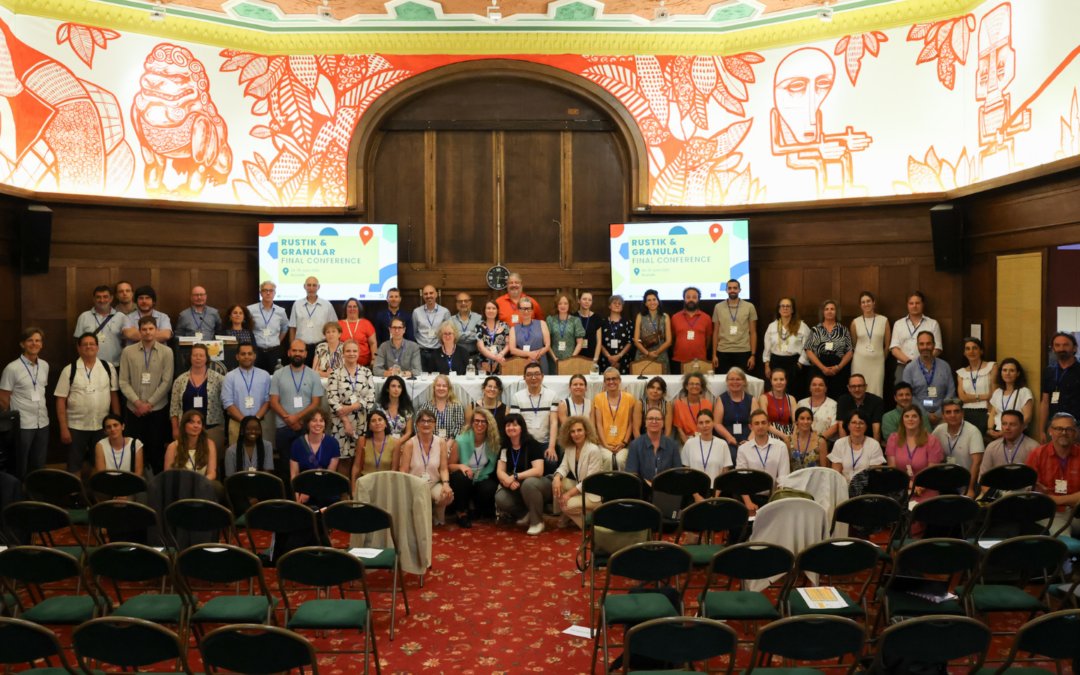
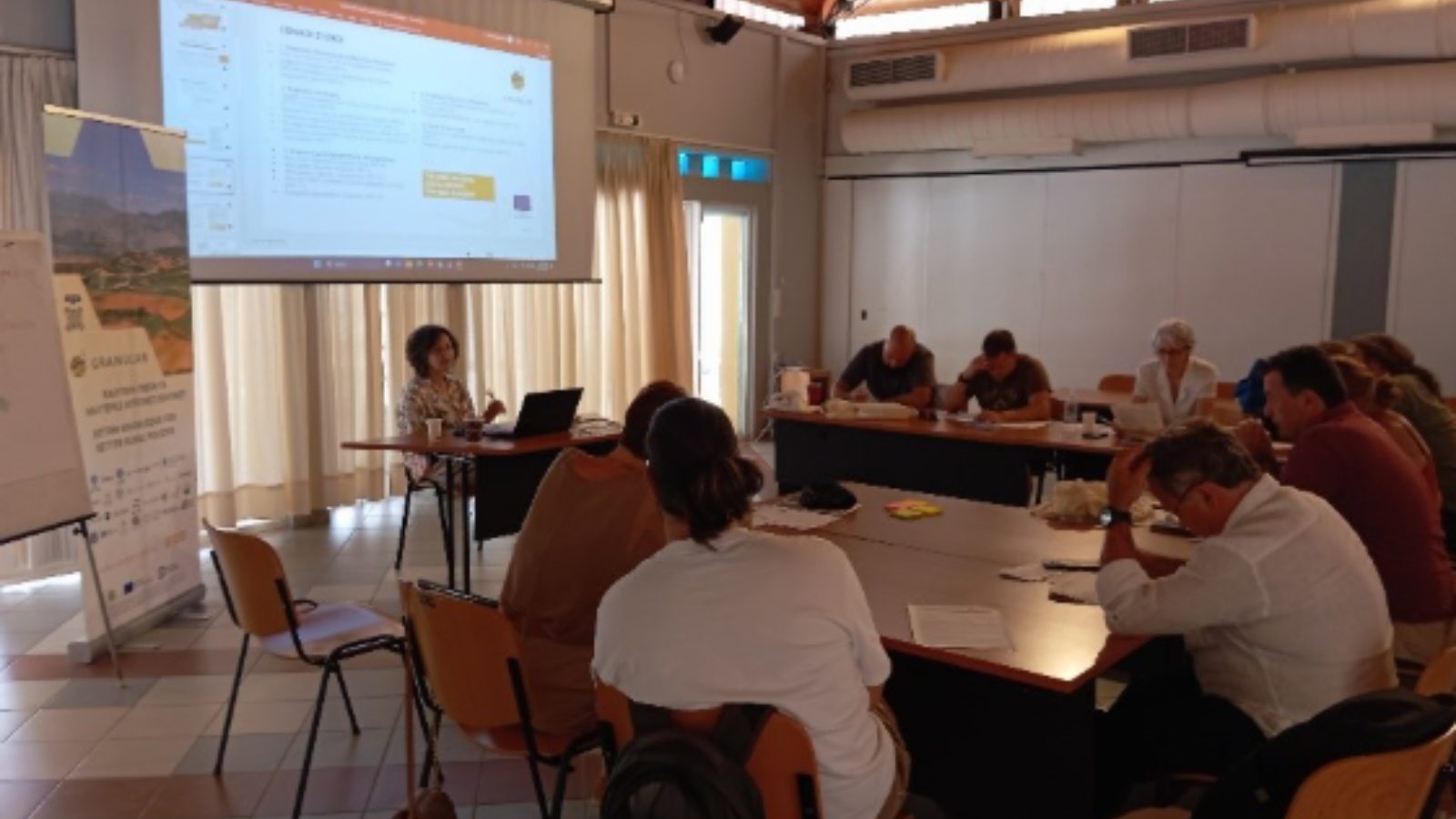
On 19 June 2026, the GRANULAR Rural Chania Replication Lab brought together representatives from the Regional Unit of Chania, the Technical University of Crete, regional authorities working on agricultural land and forest management, farmers, and other stakeholders at the Mediterranean Agronomic Institute of Chania (CIHEAM MAICh).
The workshop focused on the EU Digital Decade Programme 2030 and its implementation at regional and local level through the National Digital Decade Strategic Roadmap of Greece. At its heart was a simple but crucial question: Will the digital policies actually work for rural communities? And what needs to change to make sure that they do?
Looking at digital policy through a rural lens
Participants were introduced to the Rural Proofing methodology developed in GRANULAR—a practical approach for assessing policies from a rural perspective. Instead of assuming that a policy will have the same impact everywhere, rural proofing encourages policymakers and stakeholders to consider the specific circumstances of rural areas—including their geography, demographics, infrastructure, economies, and access to services.
Using the GRANULAR Rural Proofing Matrix, structured around the four pillars of the EU’s Long-Term Vision for Rural Areas: Stronger, Connected, Resilient, and Prosperous Rural Areas, participants shared experiences, concerns, and recommendations.
One message emerged strongly: digitalisation must complement people, not replace them.
As one participant put it, “Digital technologies should complement rather than replace human interaction and physical services.” Training, communication, education, and ongoing support will be essential, particularly for people who face barriers to adopting digital tools.
For remote communities, participants also highlighted the potential of mobile citizen service centres and targeted support, which could bring essential public services closer to residents who may struggle to access them digitally or travel to centralised services.
The discussion also explored the potential impact of the Digital Nomads initiative: Are digital nomads an opportunity or pressure?
There are clear opportunities.
Digital nomads can bring new skills, entrepreneurship, innovation, international connections, and spending into local economies. In communities facing demographic decline, they could also contribute to revitalisation and create new forms of social and economic activity.
But the picture is not entirely positive.
An influx of newcomers can increase pressure on housing, infrastructure, public services, and natural resources. In areas already experiencing tourism-related pressures, rising housing costs could make it more difficult for local residents—particularly younger people – to remain in their communities.
This illustrates why rural proofing matters: the same policy or initiative can create opportunities and challenges at the same time, and its effects may be very different in different rural places.
Making digital transformation work locally
The workshop highlighted another important principle: there is no one-size-fits-all model for rural digital transformation.
Connectivity is a good example. The Digital Decade Programme encourages investment in broadband, digital services, and digital skills. But simply increasing connectivity is not enough. Investment needs to reach the communities that need it most, including remote and underserved areas, while ensuring that residents have the skills and support required to make meaningful use of new technologies.
Digital transformation must also take account of environmental resilience.
Greater population mobility, new economic activity, and increased demand for housing and services can put additional pressure on water, energy, waste management, land, and other limited rural resources. Digital policies therefore cannot be considered in isolation from the environmental realities of the places where they are implemented.
For rural areas, successful digitalisation means connecting technological progress with social, economic, and environmental priorities.
It means building on local and traditional knowledge, strengthening cooperation between institutions and communities, and ensuring that different digital services work together rather than creating fragmented systems.
Above all, it means giving rural communities a meaningful voice in shaping the transformation.
From rural proofing to rural action
The overall assessment emerging from the workshop was positive: the Digital Decade Programme 2030 can be considered broadly rural-proof, provided that its implementation is supported by careful planning, appropriate regulation, inclusive participation, and continuous monitoring.
Better connectivity can support local businesses and access to services. New digital opportunities can attract skills and investment. But without affordable housing, appropriate infrastructure, environmental safeguards, and support for digitally excluded residents, these same developments can create new inequalities or pressures.
For Rural Chania, the digital future should be about safeguarding the local character, knowledge, environment and communities that make rural areas unique, while also making them stronger, more resilient, prosperous and inclusive. Digitalisation should support rural development and create new opportunities by taking into account the identity, heritage and place-based qualities of rural Chania.