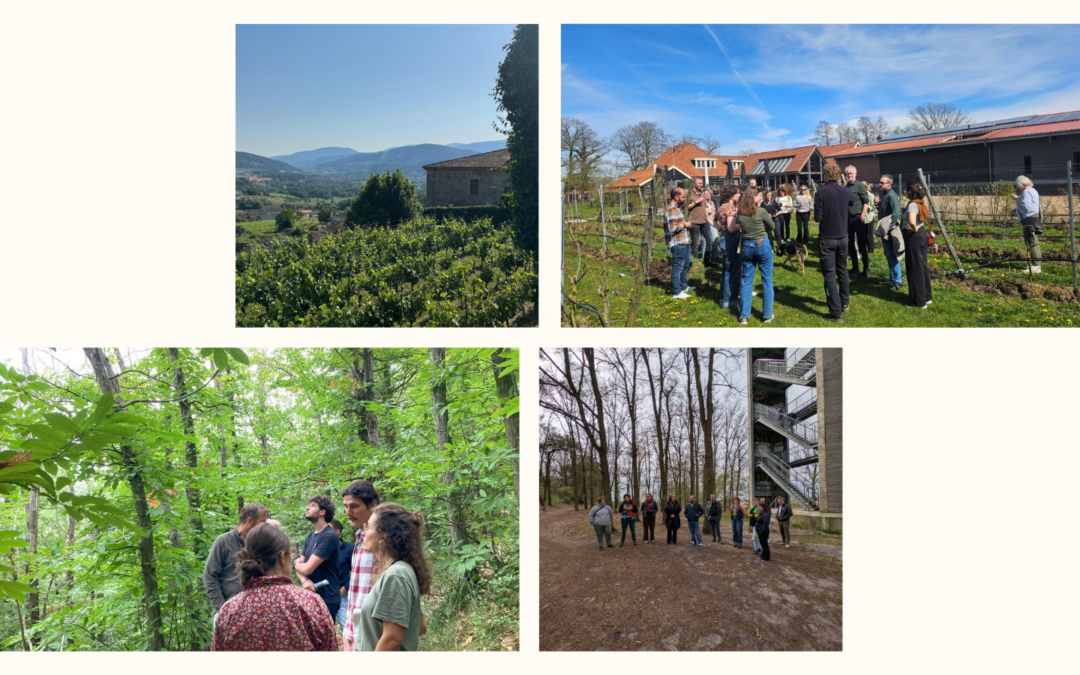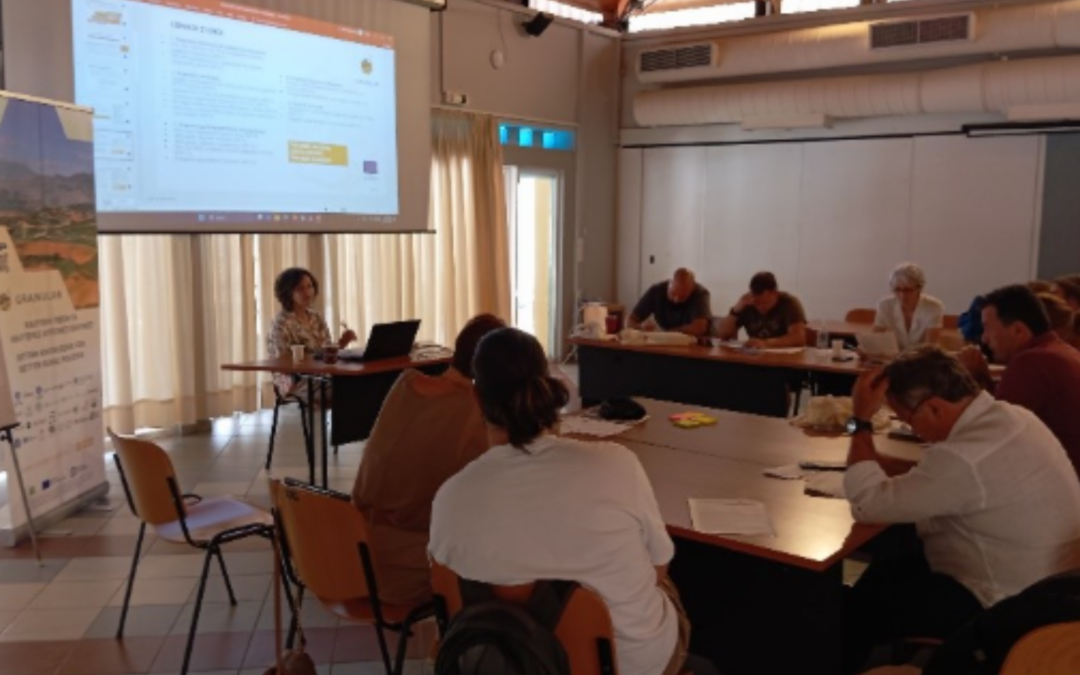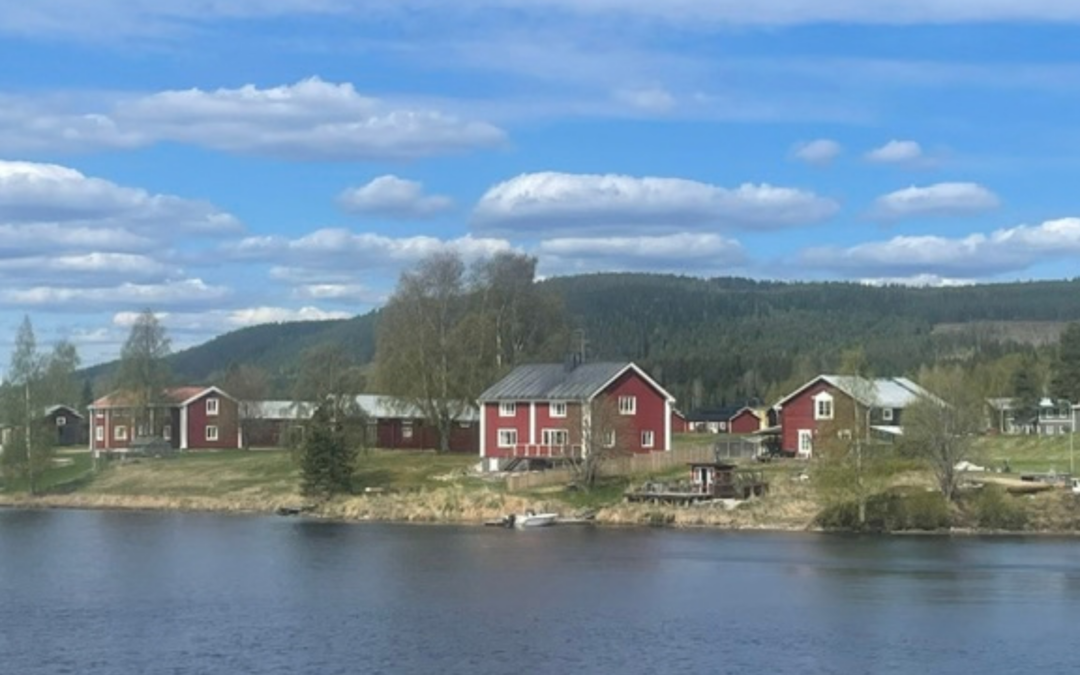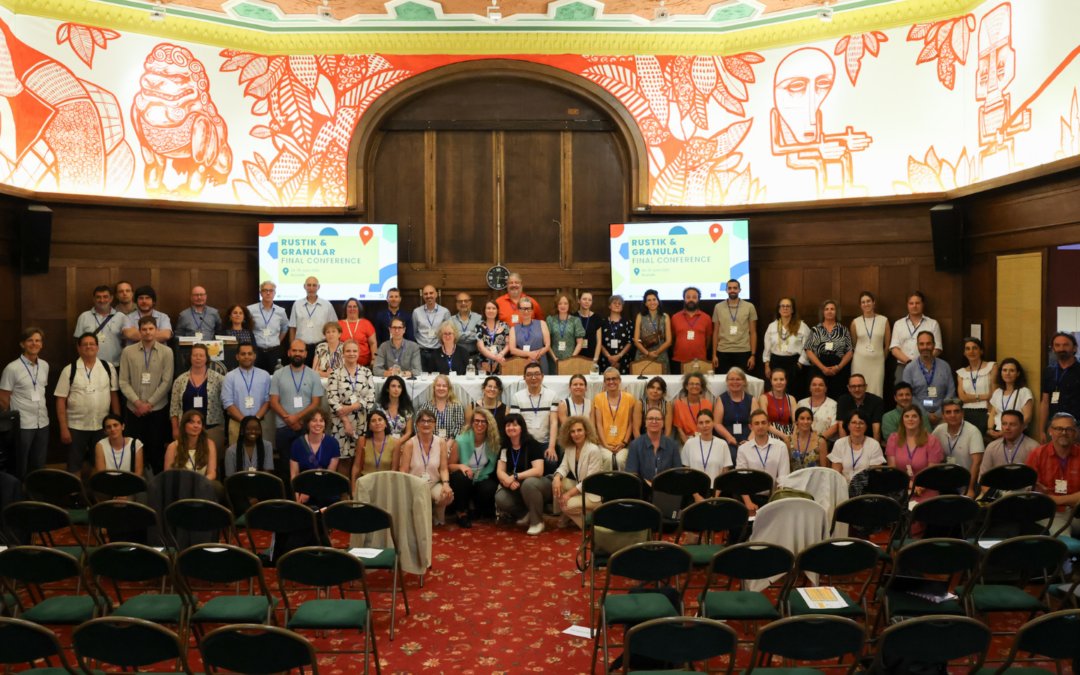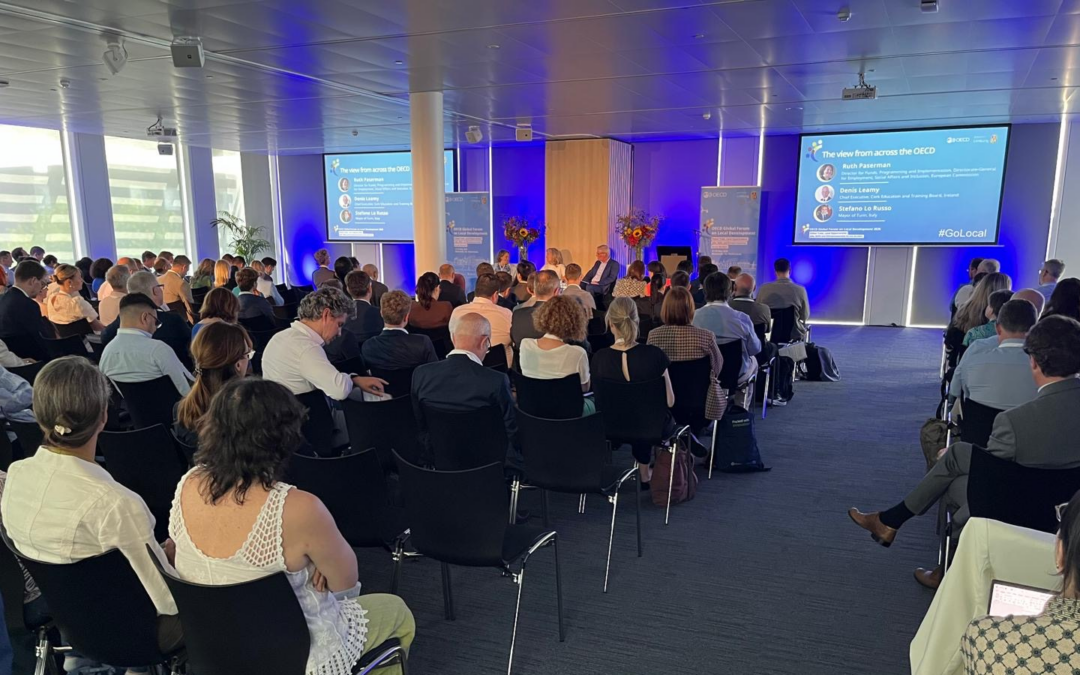


On April 9, 2025, a focus group on “Universal Design and its Implementation in the Ignalina Region” took place at the Paliesius Manor in the Ignalina region, Lithuania. The event was organised by researchers Dr. Živilė Gedminaitė-Raudonė and Dr. Monika Belhaj from the Lithuanian Centre for Social Sciences, Institute of Economics and Rural Development, in cooperation with the Ignalina Local Action Group. The meeting brought together the Mayor of Ignalina Region Municipality, representatives of the municipal administration and public institutions, architects, and local community members.
Key Concepts and Project Objectives
During the meeting, participants were introduced to the EU long-term vision for rural areas and the Rural Proofing methodology developed in GRANULAR project. Dr. Živilė Gedminaitė-Raudonė presented the objectives of the project and explained rationale for selecting the Ignalina region as a Living Lab. The focus was on enhancing rural service delivery and accessibility to all.
Dr. Monika Belhaj provided an overview of universal design principles and their potential to transform public services, environments, and communication. She highlighted international best practices and offered tailored recommendations for the region.
Insights from Local Institutions
The meeting also featured data from interviews conducted in January 2025 with representatives of various public institutions in the Ignalina region. The findings revealed key trends and challenges in accessibility, including:
- A lack of tailored information for diverse user groups
- Infrastructure that does not fully accommodate all users’ need
However, the interviews also identified several positive practices. Notably, strong informal communication and collaboration among institutions and communities were seen as key assets. These relationships help in identifying problems, co-developing solutions, and facilitating effective information sharing. Some institutions have already made notable strides in enhancing accessibility, including improvements to both the physical and informational environments.
Collaborative Discussions and Future Directions
Participants actively engaged in thematic discussions, which encouraged critical reflection on the current state of accessibility and explored practical strategies for applying universal design in local governance, service provision, and community activities. This dialogue deepened participants’ understanding of the relevance of universal design principles and their integration potential in the development of the Ignalina region, fostering closer cooperation among stakeholders.


Contact information: