
Author: Carla Lostrangio, European Association for Innovation in Local Development
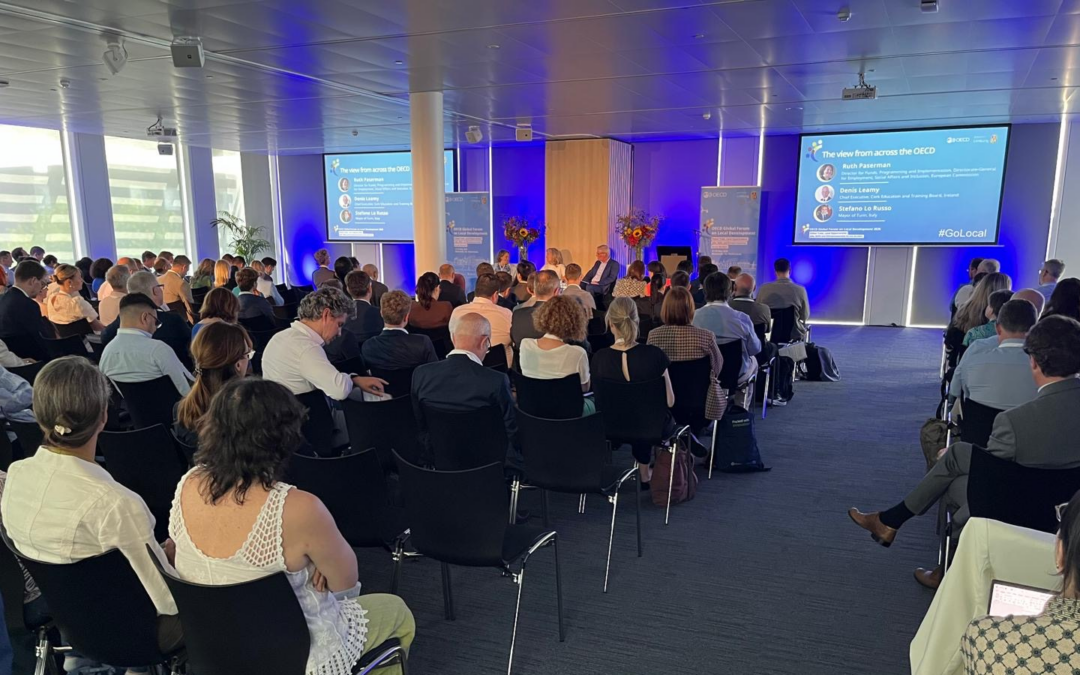
27 November 2023 – Around 100 actors welcomed the first GRANULAR Knowledge Transfer activity on “Living Labs in Rural Areas: How To?”, organised by the European Association for Innovation in Local Development (AEIDL).
Living labs are commonplace in Horizon research projects and indeed in many other EU collaborative initiatives. There is not a single way of successfully carrying them out, and by contrast there are many issues that need to be prepared for or be prevented. For that reason, GRANULAR gathered in this event some of the top examples from recent and ongoing Horizon research projects.
What is a living lab?
“Living Labs are open innovation ecosystems in real-life environments based on a systematic user co-creation approach that integrates research and innovation activities in communities, placing citizens at the center of innovation” said Giulia Campodonico, Head of Projects at the European Network of Living Labs (ENoLL).
Living Labs have been widely applied to European-funded research projects, as a key governance tool to engage with local communities, promote bottom-up solutions and ownership of research results through co-creation, rapid prototyping, testing and scaling-up. “For this reason, we decided to focus the first Knowledge Transfer webinar of the GRANULAR project on the role of Living Labs in research and innovation projects, with an emphasis on those situated in rural areas” said Serafin Pazos Vidal, Senior Rural and Territorial Development Expert at AEIDL.
The do´s and dont´s when setting up Living Labs
The EU-funded project GRANULAR – whose motto is ‘Better Knowledge for Better Rural Policies’- established 7 Living Labs and 9 Replications Labs. “Our Living Labs will contribute to deliver a better understanding of rural diversity in different territories and to propose indicators guiding local actions” said Tristan Berchoux, Associate Professor at the Mediterranean Agronomic Institute of Montpellier and GRANULAR Project Coordinator.
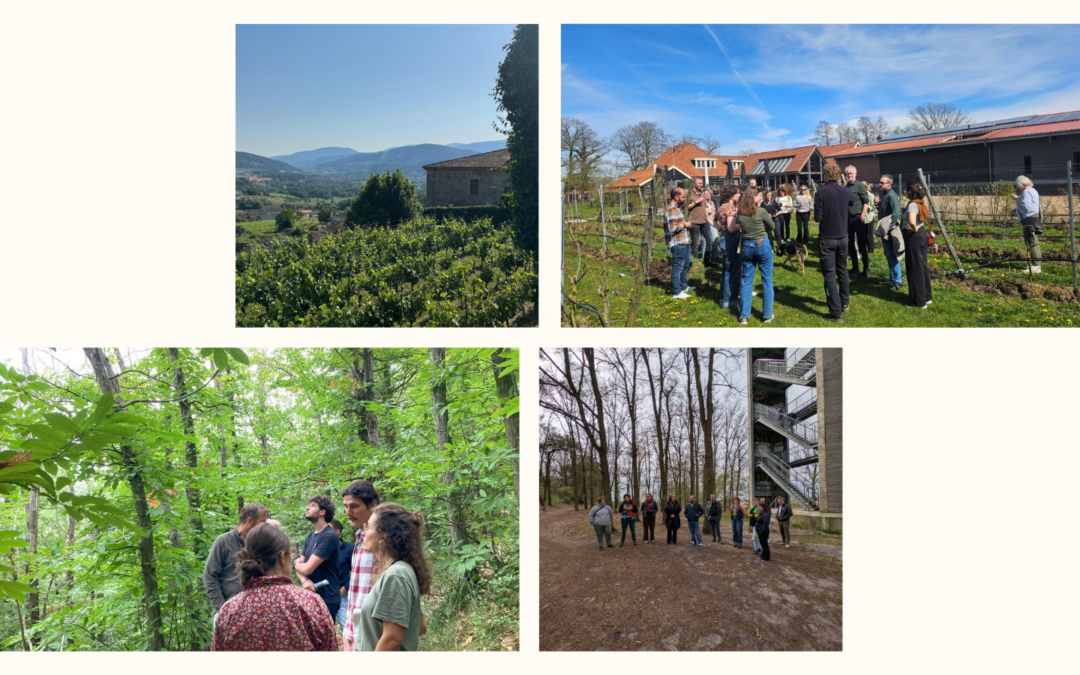
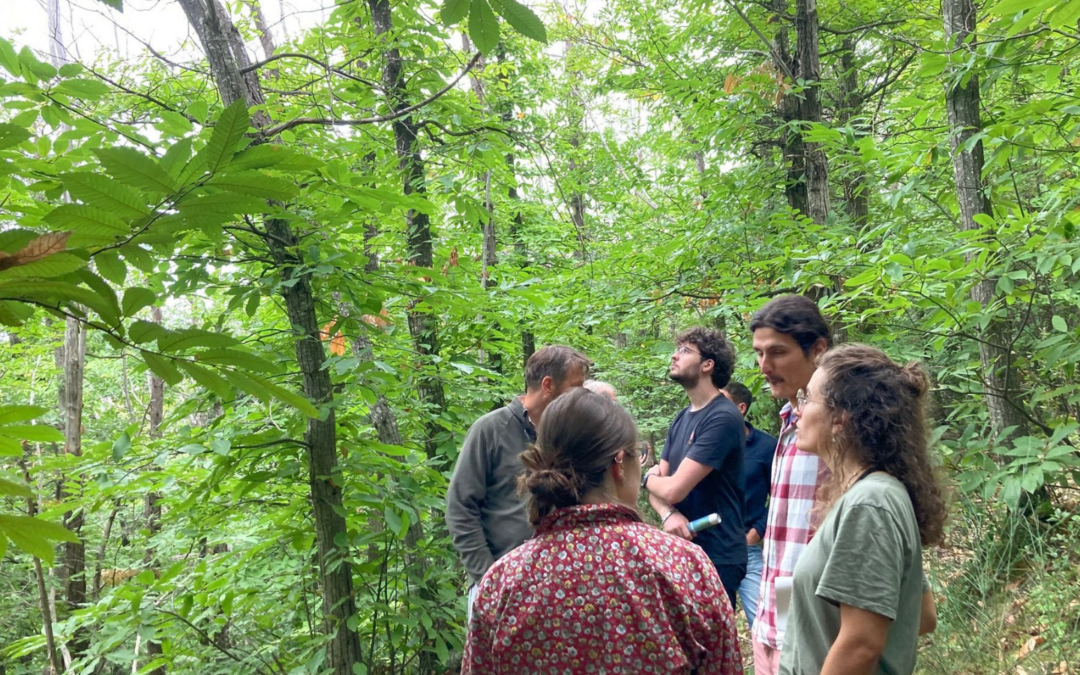
As an illustration, Marco Ricci from the GRANULAR Living Lab Val di Cecina in North-Centre Italy explained how their members narrowed down the thematic priorities and set up an action plan in just one year since the project’s start.
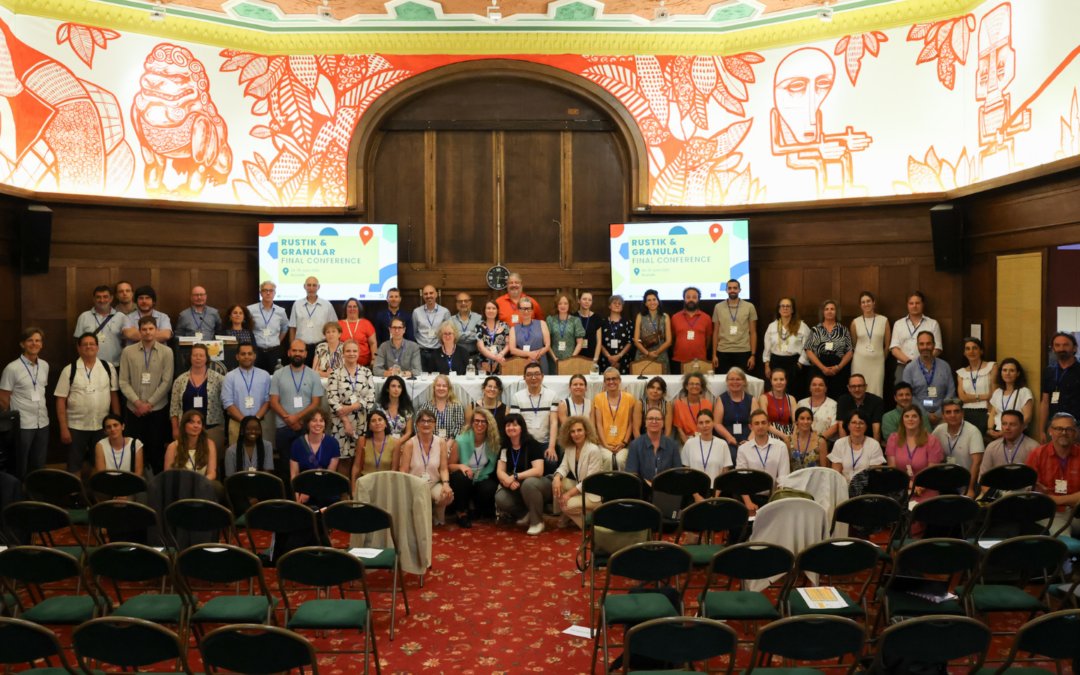
Other leading Living Labs’ examples at different maturity levels have been called to bring in and discuss their own experience. These entailed the RUSTIK Living Lab in Austria, whose focus is on enhancing SMEs in rural areas; the SHERPA Multi-Actor Platforms, which implemented science-society-policy dialogue for enhancing rural recommendations in 41 rural areas across Europe; and the ROBUST Living Labs on urban rural dynamics.
A rich discussion was inspired by this diverse set of hands-on experiences and practices. Key lessons learnt show that successful Living Labs entail enhanced soft skills and professional moderation all along the process; clear objectives and actions but also room for flexibility and experimentation; institutional support and embeddedness in existing structures, frameworks or strategies to ensure the Living Lab’s sustainability.
To conclude, Carla Lostrangio, Rural and Territorial Development Expert and moderator of the event, reminded participants that this webinar is part of a larger set of peer-to-peer learning and knowledge exchange activities that will be continued to be promoted by the GRANULAR project.
Want to learn more?
Access here the speakers’ presentations and webinar recording.
Don’t miss the report of the highlights of this webinar!