

Author: Serafin Pazos-Vidal (AEIDL)
The European Commission’s proposal for the 2028–2034 Multiannual Financial Framework will shape rural development for the next decade. The European Commission tabled ambitious proposals last July. GRANULAR— a Horizon Europe project dedicated to generating new datasets, tools, and methods for understanding rural areas—has provided evidence-based feedback to ensure rural priorities are not overlooked.
Why it matters
The proposed shift towards centralised National and Regional Partnership Plans (NRPPs) and integrated funding mechanisms risk sidelining subregional needs. National-level indicators in the new Performance Framework lack the granularity required to capture diverse rural realities. Without robust rural proofing and local engagement, policies may become one-size-fits-all, undermining rural resilience and democratic legitimacy.
GRANULAR’s key contributions
- Data Gaps & Innovation: Screening existing rural data sources and testing innovative methods (e.g., remote sensing, IoT, crowd-sourced data) to address monitoring gaps at fine spatial scales.
- Indicator Framework: Developing comprehensive indicators across six dimensions—environmental resilience, socio-economic cohesion, food systems, wellbeing, and rural attractiveness—aligned with the Long-Term Vision for Rural Areas.
- Operational Rural Proofing: Delivering tested methodologies and guidelines to integrate rural proofing into policy design, ensuring tailored responses for diverse territories.
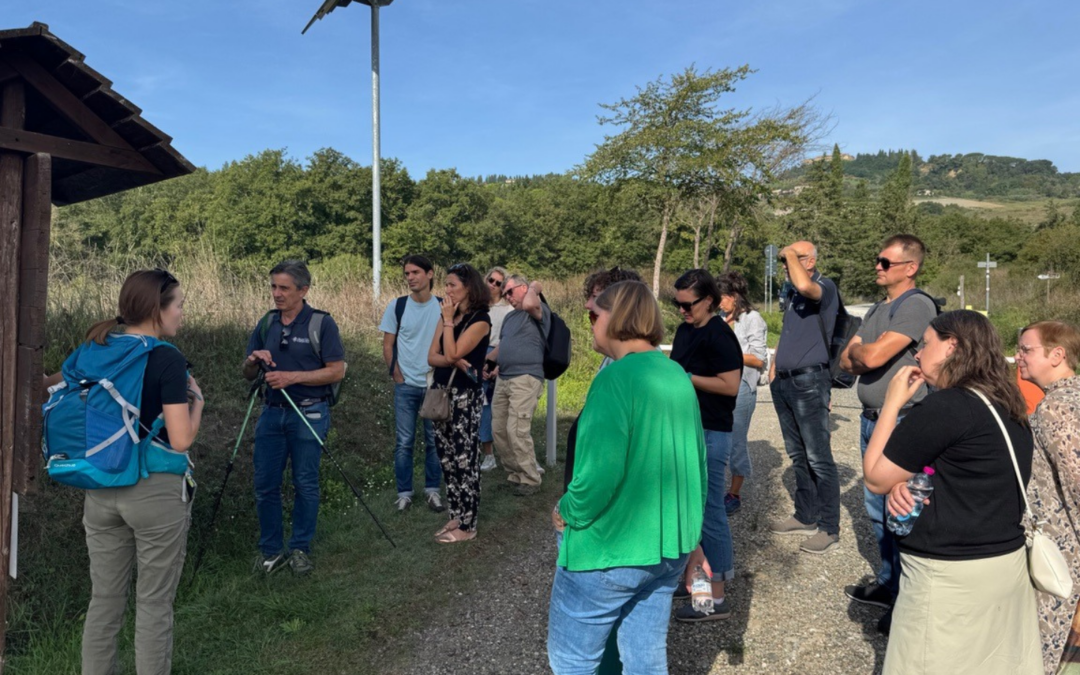
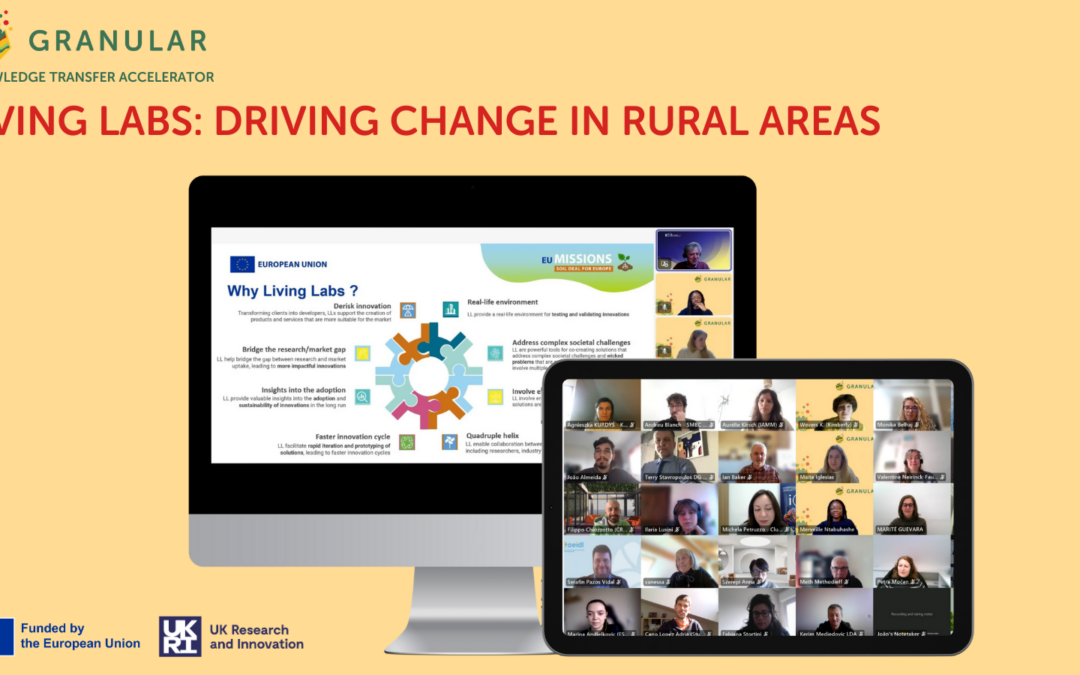
- Ground-Truth Evidence: Multi-Actor Living Labs and Replication Labs across 16 territories validate data approaches and highlight local challenges missed by national frameworks.
The message is clear:
To make the next MFF work for rural Europe, funding systems must include mechanisms for local engagement, granular indicators, and rural proofing. GRANULAR’s evidence shows that empowering subregional voices and adopting context-sensitive reforms is essential for resilient, inclusive rural development.