

Author: Ilaria Lusini (GreenGea snc)
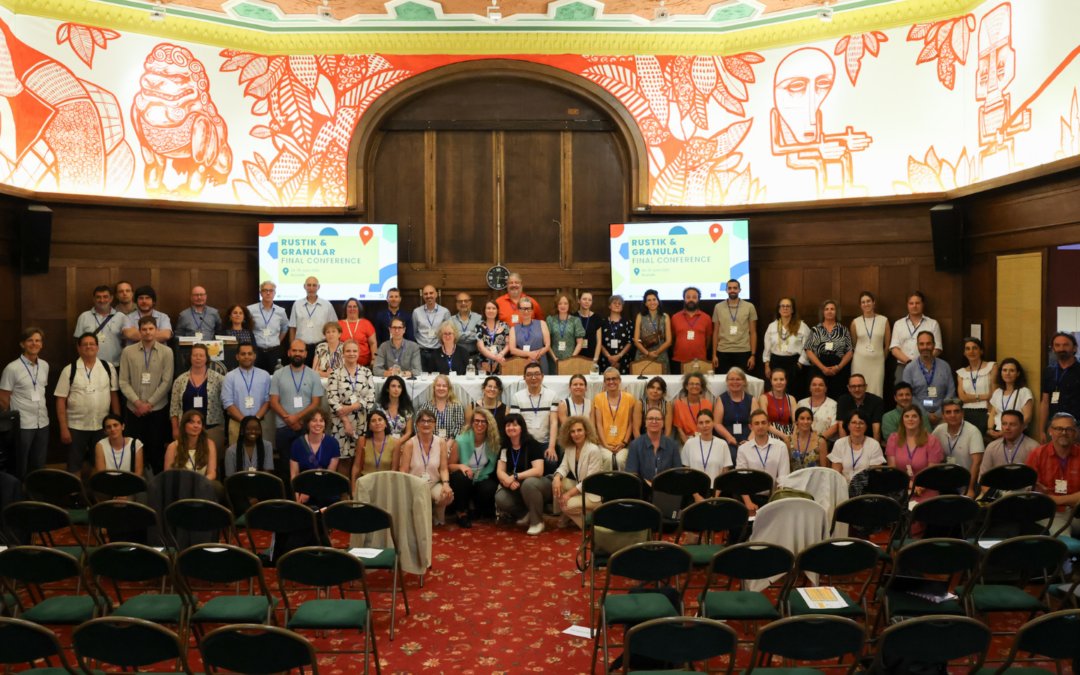
Last year, the Italian Living Lab Val di Cecina Rural District hosted a three-day international cross visit on rural tourism. From 17th to 19th September, the visit brought together 26 participants from eight countries, including representatives from GRANULAR Living and Replication labs, researchers, local representatives and stakeholders. The visit combined field explorations, peer exchange, and collective reflection to promote the exchange of knowledge (particularly on tourism) among rural communities in Europe. The initiative was organised as part of the GRANULAR Project, which aims to strengthen rural communities through collaborative learning and evidence-based policymaking.
Rural tourism in action
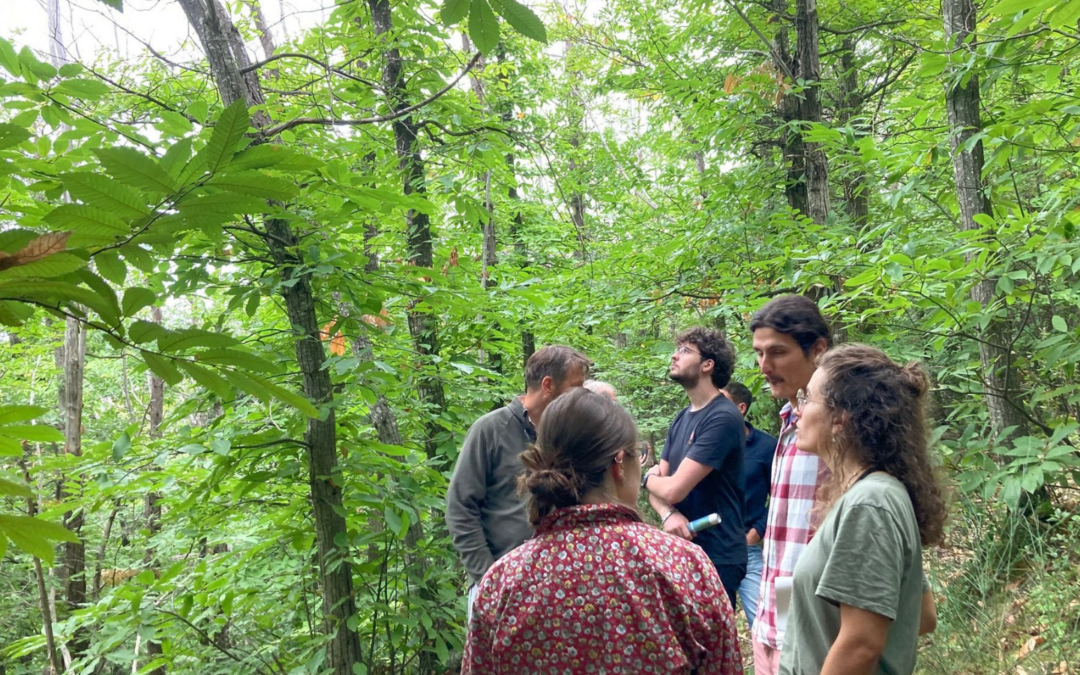
The visit spanned across three municipalities within the Val di Cecina Rural District: Volterra, Riparbella, and Cecina, each offering a distinctive perspective on rural tourism. The journey began in the natural areas of Volterra with a tour of the Riserva Naturale Forestale del Berignone, where nature-focused forest management was explored in relation with tourist flows. The visit then shifted to the historic town of Volterra, where an urban trekking experience highlighted the challenges overtourism in historic towns, and strategies being implemented to balance heritage preservation with visitor demand.
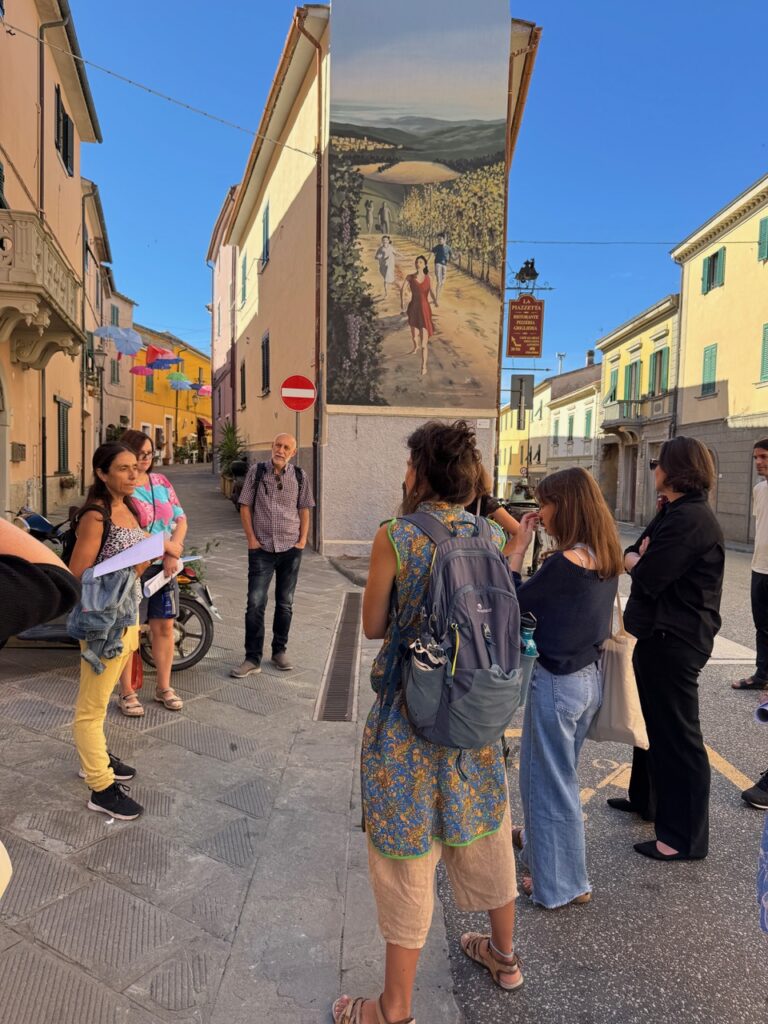
On the second day, participants visited Riparbella, discovering the village’s murals and the Etruscan Museum, while discussing tourism management in small historical town, highlighting opportunities and challenges for local communities. Later, at the Giardino Scornabecchi (part of the Regional Agricultural and Forestry Heritage – PAFR), the group focused on tourism in protected public areas and on strategies to preserve the rural spaces (e.g. through forest certification).
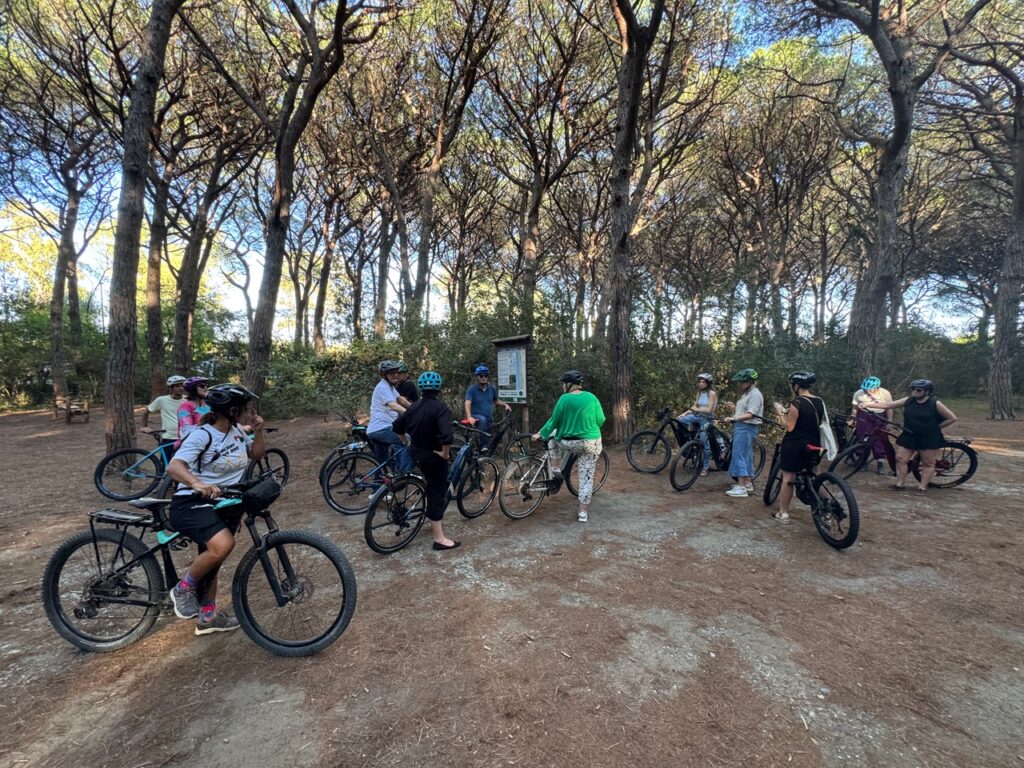
The final stop was Cecina, where a guided bike tour through the Marina di Cecina Pine Forest provided insights into coastal tourism, urban planning pressures, and their impact on natural ecosystems.
These visits offered participants a comprehensive overview of how rural tourism is shaped across diverse contexts (from inland forests to historic villages and coastal areas) and explored opportunities, challenges and strategies for a more sustainable tourism development.
The impact of reflection: Insights from the final morning
The final morning of the visit was dedicated entirely to reflection and dialogue with participants, and representatives from the host municipalities. Through open discussions and interactive sessions, attendees shared their experiences, exchanged ideas, and explored challenges and strategies related to rural tourism. These discussions highlighted the importance of actively engaging local communities, developing innovative and diversified tourism offers, and involving local action groups and associations to foster cooperation and strengthen local identity. The active involvement of local administrations and project partners proved particularly valuable, as they openly shared critical issues and practical solutions already tested in other contexts. This collaborative setting fostered a rich space for discussion and facilitated the creation of connections between rural communities across Europe, supporting the objectives of the GRANULAR project.
What’s next? From cross visit to shared knowledge
Building on the momentum of the visit, a synthesis report is currently being prepared. The document will highlight key insights, lessons learned, and good practices identified during the visit, offering valuable guidance for tourism management strategies within rural areas. Future cross visits will continue this exchange-driven approach, reinforcing collaboration, mutual learning, and innovation among rural communities across Europe.
.